
Museums are often perceived as places that preserve objects, yet their role extends far beyond conservation. They function as custodians of collective memory, protecting the stories, knowledge, beliefs and cultural identities embedded within the objects they hold.
Throughout history, societies have selected certain artefacts, artworks and documents for preservation, allowing them to survive long after the people who created them have passed. These objects become witnesses to human experience, offering future generations a tangible connection to the past.
This raises important questions: Why do societies preserve certain objects and not others? What determines whether an object is considered culturally significant? Who has the authority to decide what is remembered and what is forgotten?
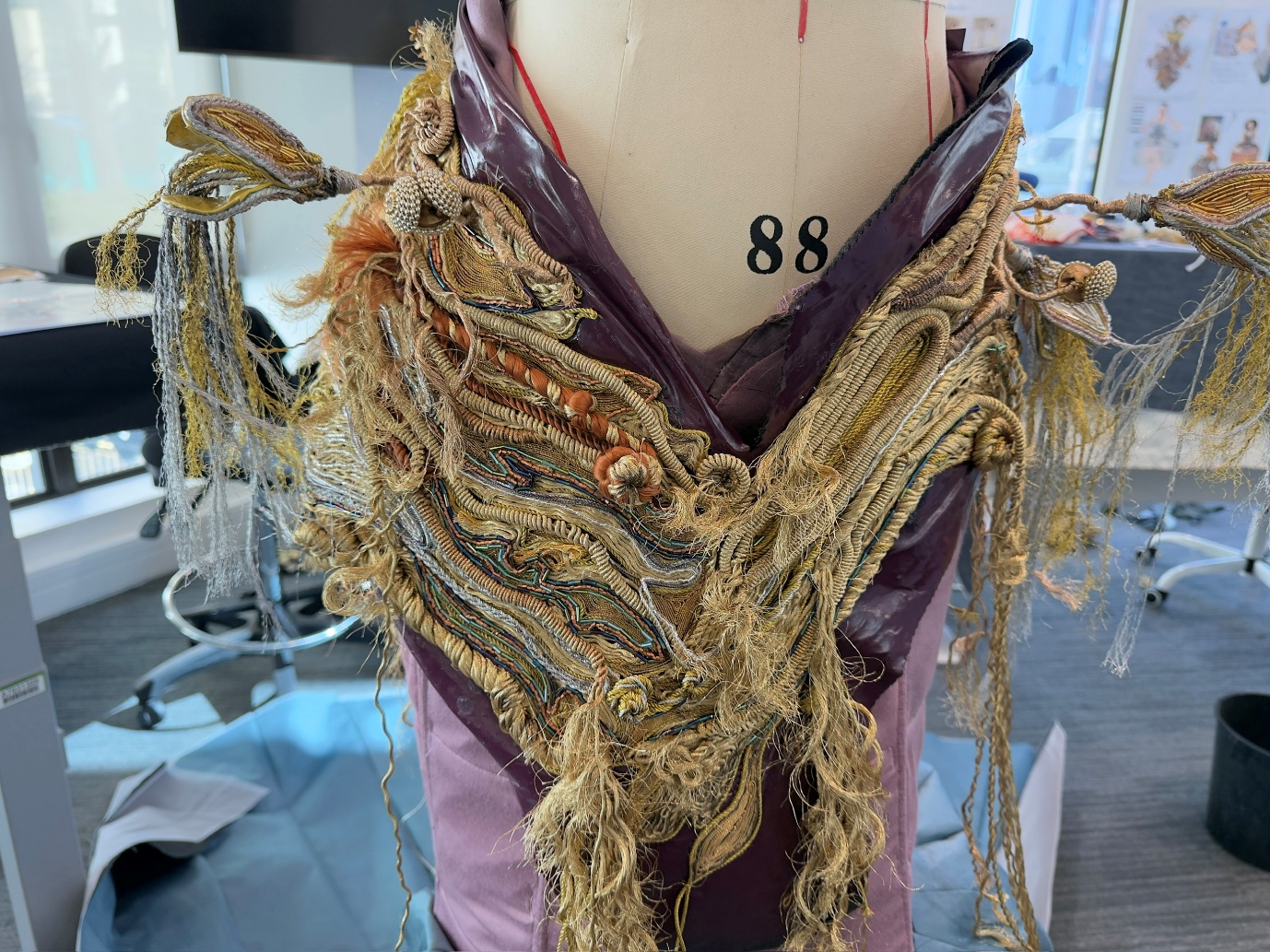
As an artist working with wearable sculpture, these questions are central to my practice. I am interested in how contemporary objects can move beyond their immediate function and become vessels for cultural memory, identity and storytelling.
Museums remind us that preservation is not simply about safeguarding material things. It is about protecting knowledge, values and narratives that help societies understand where they have come from and where they may be heading.
Perhaps the true purpose of a museum is not to preserve the past, but to create a dialogue between past, present and future, ensuring that important stories continue to live beyond the lifespan of any individual generation.
