
Biography
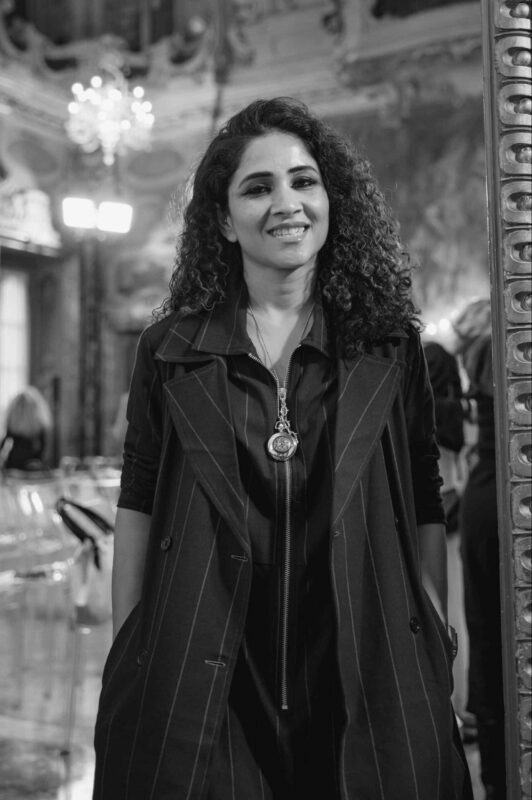
Sheetol Chawla is an Aotearoa New Zealand-based wearable sculpture artist whose research-led practice brings together cultural history, mythology, spirituality, craftsmanship, and sculptural form.
Through meticulously constructed wearable artefacts, Chawla develops bodies of work that explore cultural memory, identity, belonging, and the relationships between people and place. Rather than approaching the wearable form through commercial fashion, she uses the body as a site for storytelling, transforming textile, structure, embellishment, and handcraft into sculptural expressions of cultural narratives.
Born in Delhi, India, and later establishing her life and practice in Aotearoa New Zealand, Chawla’s artistic journey has been shaped by migration and the experience of living between cultures. This perspective has developed into an ongoing interest in how cultural knowledge is carried, interpreted, and preserved across generations.
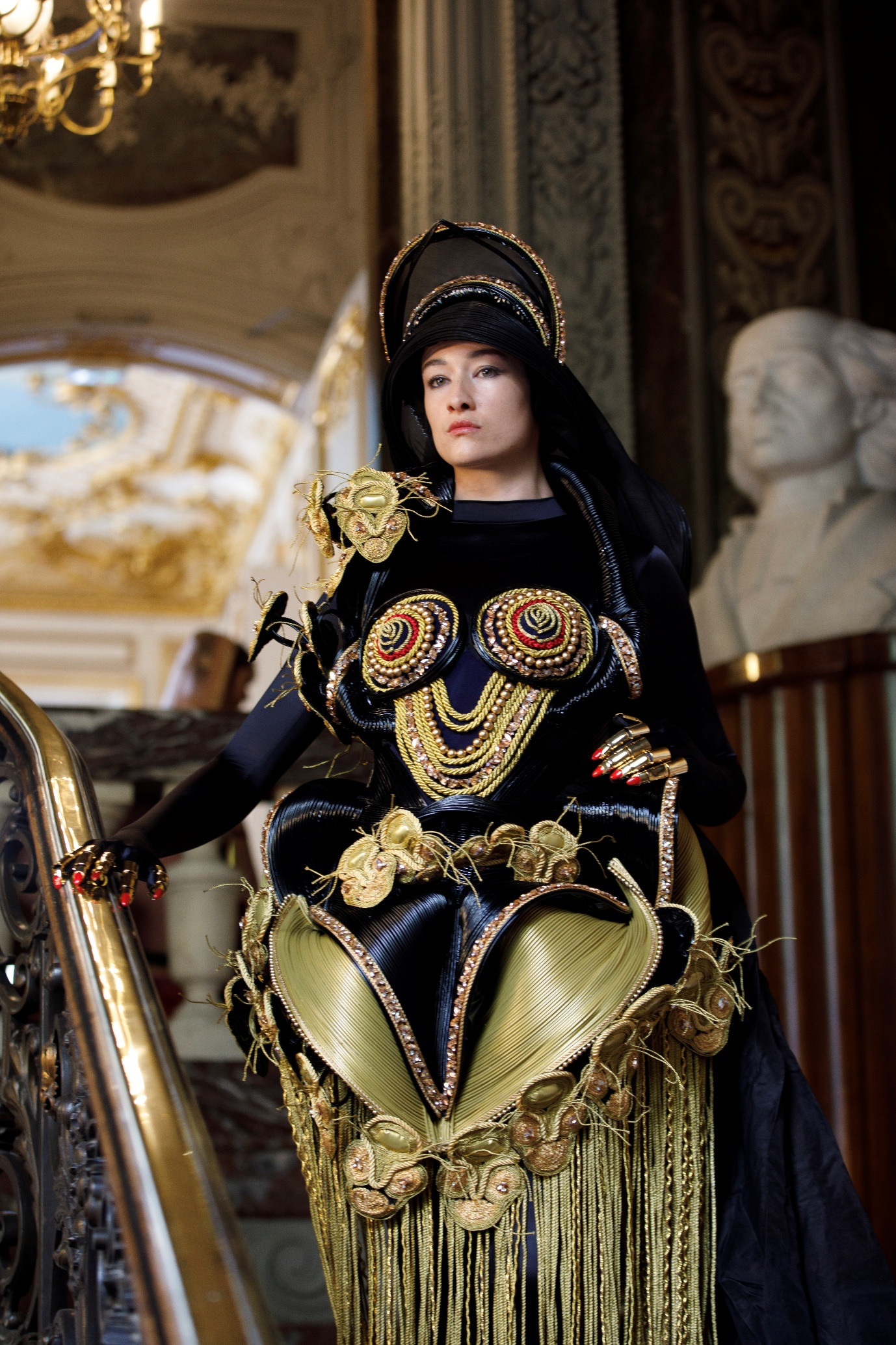
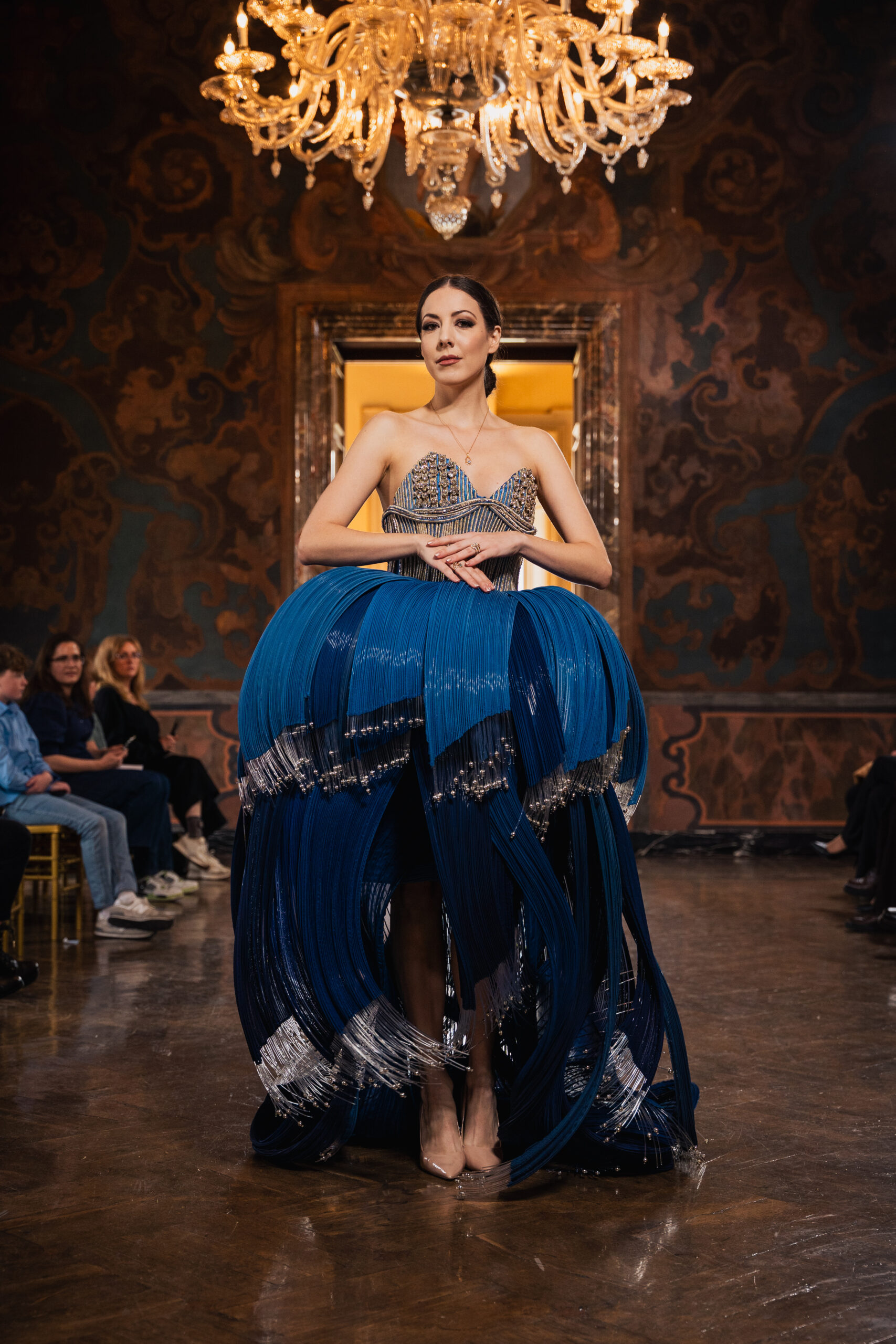
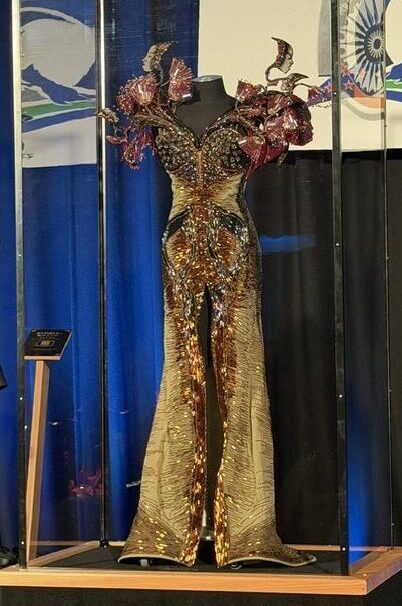
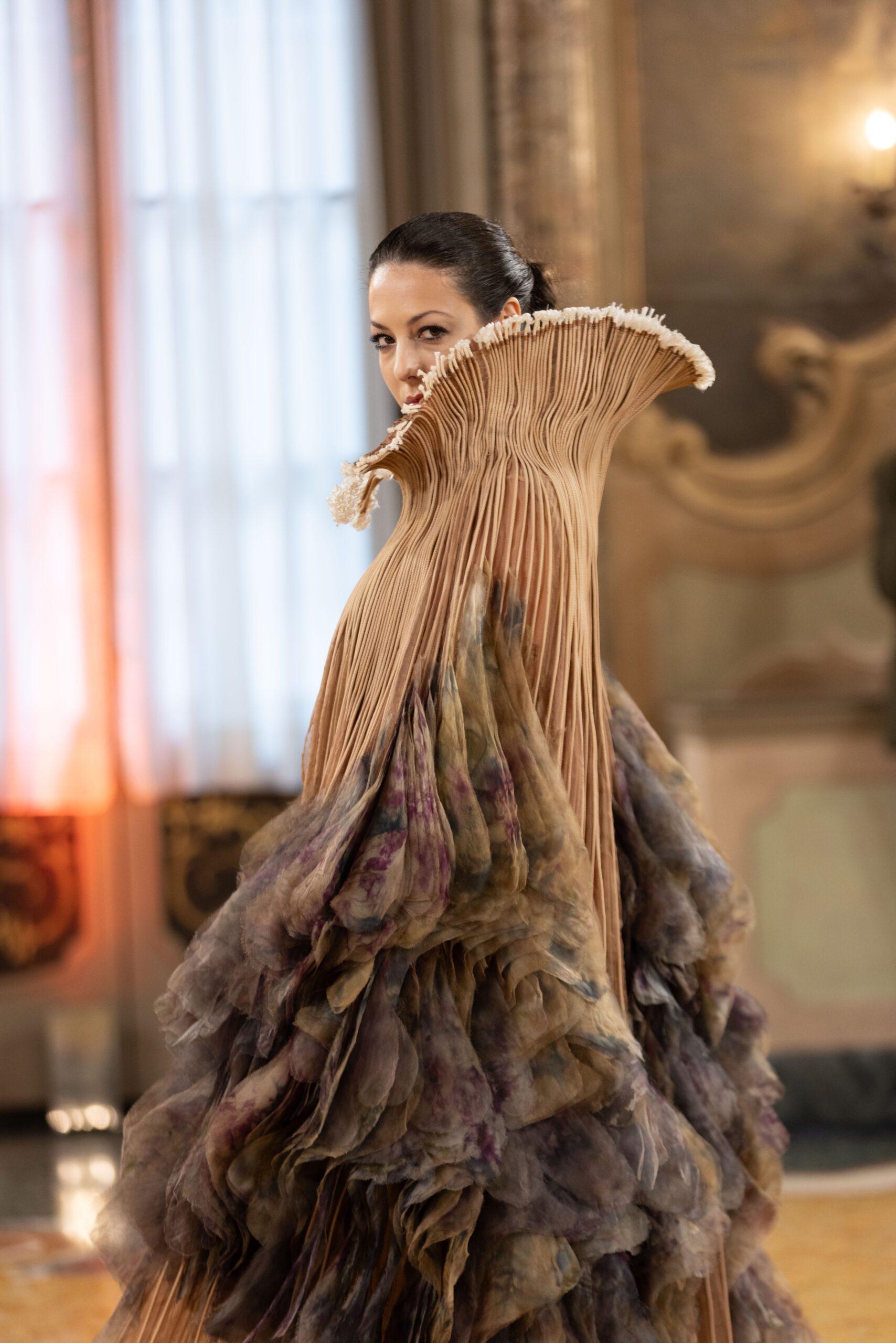
Her major bodies of work include EOS, inspired by the Greek goddess of dawn; Black Lioness, drawing upon the symbolism and transformative power of Goddess Kaali; MOANA, exploring Aotearoa New Zealand’s relationship with the ocean; REINGA, informed by Māori understandings of Te Rerenga Wairua and the spiritual journey of the wairua; and the ongoing Medici Project, investigating Renaissance history, architecture, patronage, and cultural legacy.
Together, these works form an expanding artistic archive in which each project becomes a distinct cultural investigation. Chawla’s long-term practice is centred on preserving stories through research, craftsmanship, exhibition, and cultural dialogue, creating works intended not only to be experienced in the present but to remain meaningful for future generations.
ARTISTIC JOURNEY
2026
Cultural Leadership & Public Engagement
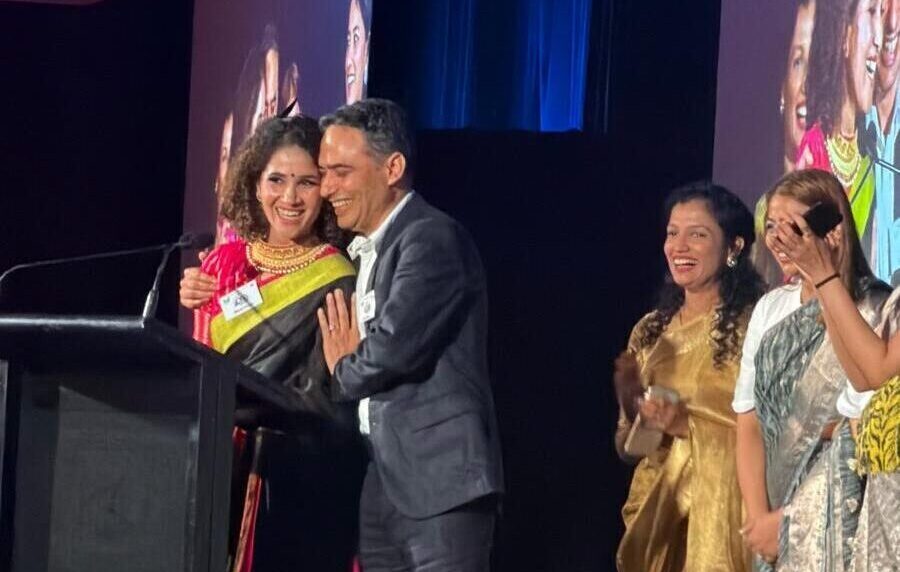
In 2026, Chawla presented Black Lioness and publicly unveiled REINGA during the New Zealand Indian Central Association Centenary Celebration in Auckland, a landmark occasion commemorating one hundred years of Indian community leadership and contribution in Aotearoa New Zealand.
REINGA was presented as a respectful artistic response informed by Māori understandings of Te Rerenga Wairua and the spiritual journey of the wairua. Presented within a gathering of government representatives, diplomats, cultural leaders, community organisations, and invited guests, the work extended Chawla’s practice beyond exhibition into the realm of cultural encounter and public dialogue.
During the same year, Chawla was appointed Sector Leader – Textiles, Fashion & Apparel for the India New Zealand Chamber of Commerce & Industry (INZCCI), expanding her engagement with the creative sector and opportunities for cultural and professional exchange between India and New Zealand.
2025
International Recognition
2025 marked a significant period of international recognition for Chawla’s practice.
Black Lioness received three honours at the French Fashion Awards—two Platinum Awards and one Gold Award—recognising the work’s artistic vision, innovation, craftsmanship, and approach to wearable art.
Later that year, MOANA received the World Design Award at Miss World 2025. Conceived as a sculptural exploration of Aotearoa New Zealand’s oceanic identity, MOANA reflected upon the ocean as a space of connection, movement, migration, and belonging.
Together, these recognitions represented an important development in the international visibility of Chawla’s emerging artistic practice.
2024
Black Lioness — International Exhibition
Following more than a year of research, design development, material experimentation, and intensive hand craftsmanship, Chawla completed Black Lioness, a body of wearable sculptures drawing upon the symbolism, strength, and transformative power associated with Goddess Kaali.
The work marked a significant development in her artistic language, bringing cultural research together with increasingly complex sculptural construction, experimental materials, hand embellishment, and symbolic form.
Black Lioness was subsequently presented internationally in Paris, introducing Chawla’s research-led practice to a wider global audience and establishing an important foundation for the bodies of work that followed.
2023
Establishing the Studio
In 2023, Chawla established her independent studio practice in central Auckland, marking the beginning of a dedicated long-term commitment to research-led wearable sculpture.
Her first major body of work within this developing practice, EOS — The Goddess of Dawn, drew upon Greek mythology and the symbolism of dawn, renewal, transformation, and new beginnings.
EOS became the opening chapter of what would gradually develop into a broader artistic archive—an evolving practice in which each body of work begins with sustained research before being translated through material experimentation, hand craftsmanship, and sculptural form.
2018-2022
Discovering Wearable Sculpture
In 2018, encouraged to explore fashion as a new creative discipline, Chawla began a period of study that would ultimately bring together many of her longstanding interests in art, design, craftsmanship, materiality, and storytelling.
She continued her studies at Auckland University of Technology, graduating in 2022. During this period, her interest increasingly moved beyond conventional garment-making toward experimental construction and sculptural approaches to the body.
Wearable sculpture gradually emerged as the medium through which her earlier experiences in fine art, interior design, handcraft, and cultural storytelling could converge.
2015
A New Beginning in Aotearoa
Chawla migrated from India to Aotearoa New Zealand in 2015, beginning a period of personal and creative transition that would later become important to the development of her artistic practice.
Living between two cultural worlds prompted deeper reflections on identity, belonging, memory, and the ways people maintain connections to culture and place after migration.
During this period, Chawla returned to painting, undertaking commissioned portrait work and later working as an in-house artist at Soljans Estate Winery. Painting provided a continuation of her creative practice while she searched for a medium capable of bringing together her interests in art, culture, materiality, and storytelling.
2010
Interior Design & Spatial Practice
Before developing her practice in wearable sculpture, Chawla worked within her family’s interior design business in India, contributing to residential and commercial projects.
Working with interiors strengthened her understanding of proportion, structure, spatial composition, material relationships, and architectural form. These principles would later re-emerge within her wearable sculptures, where the body is approached almost architecturally—as a structure around which materials, volume, surface, and space are constructed.
EARLY CREATIVE FOUNDATIONS
Delhi, India
Born and raised in Delhi, Chawla grew up surrounded by an environment in which creativity, culture, spirituality, craftsmanship, and visual expression formed part of everyday life.
From an early age, she was drawn to drawing, painting, textiles, handcraft, and experimental making, developing an instinctive relationship with materials and detailed handwork.
She later undertook postgraduate study in the arts alongside professional training in interior design and computer technologies, establishing a multidisciplinary foundation spanning fine art, design, technical thinking, and craftsmanship.
Rather than belonging to separate periods of her life, these experiences would eventually converge within her contemporary practice, where research, drawing, architecture, textile construction, handcraft, and storytelling operate together.
THE ARCHIVE AHEAD
Chawla’s practice continues to evolve beyond the creation of individual works toward the development of a long-term artistic archive.
Each body of work is conceived as a chapter within this expanding practice—researching different histories, belief systems, cultural landscapes, and forms of collective memory while exploring how these narratives can be translated through contemporary wearable sculpture.
Through The Artist House, her evolving studio and archive in Auckland, Chawla is developing a space in which research, making, preservation, exhibition, and cultural dialogue can exist together. The long-term vision is for the works and the knowledge surrounding their creation to remain accessible as a continuing record of artistic research, craftsmanship, and cultural exchange.
