
Inspiration
BLACK LIONESS
2024 · Wearable Sculpture
Black Lioness is a body of wearable sculpture inspired by the symbolism, cultural narratives, and multifaceted representations of Goddess Kali within Hindu tradition. Through sculptural form, experimental materials, intensive hand craftsmanship, and symbolic visual language, the work explores ideas of feminine power, protection, transformation, mortality, and cultural memory.
Rooted in Chawla’s Indian heritage, the series also represents a personal return to cultural narratives encountered throughout her upbringing — revisited through the perspective of her evolving artistic practice.
Cultural Foundation
The development of Black Lioness began with a deeper exploration of Goddess Kali and the meanings associated with her representation within Hindu tradition. Often recognised through her fierce visual presence, Kali embodies a complex narrative — encompassing power, protection, transformation, time, mortality, and maternal strength. Her presence extends beyond destruction, representing forces that challenge, protect, renew, and transform existence.
Her imagery brings together seemingly opposing qualities. Destruction exists alongside renewal; ferocity alongside protection; death alongside transformation; and immense power alongside maternal compassion. These contrasts became significant within Black Lioness, offering a way to consider feminine power not as a singular expression of strength, but as something capable of being protective, confronting, nurturing, resilient, and transformative.
The research encouraged exploration of how these qualities could be translated into contemporary wearable sculpture. Rather than treating mythology as a fixed historical reference, Chawla approached it as a conceptual framework through which questions of identity, strength, mortality, and transformation could be examined.
Rather than reproducing sacred imagery literally, the work draws upon these narratives as a foundation for artistic exploration. The research informed the emotional character, symbolism, material direction, and visual language of the series, while the forms, materials, and construction developed through Chawla’s contemporary sculptural practice. This allowed Black Lioness to establish a dialogue between ancient mythology and contemporary artistic expression.
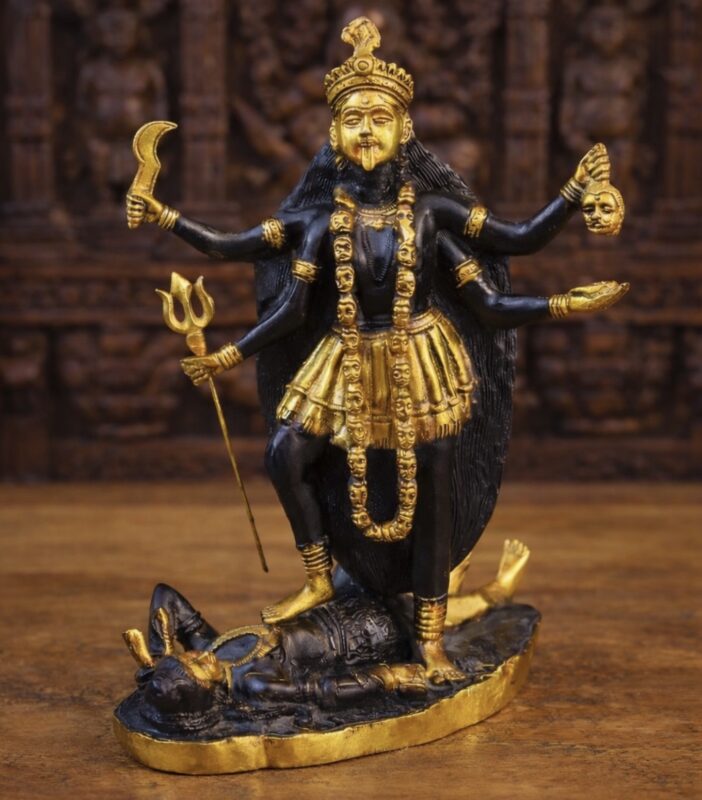
Visual reference to the symbolism of power, protection and transformation explored within Black Lioness.
Image credit: [source]
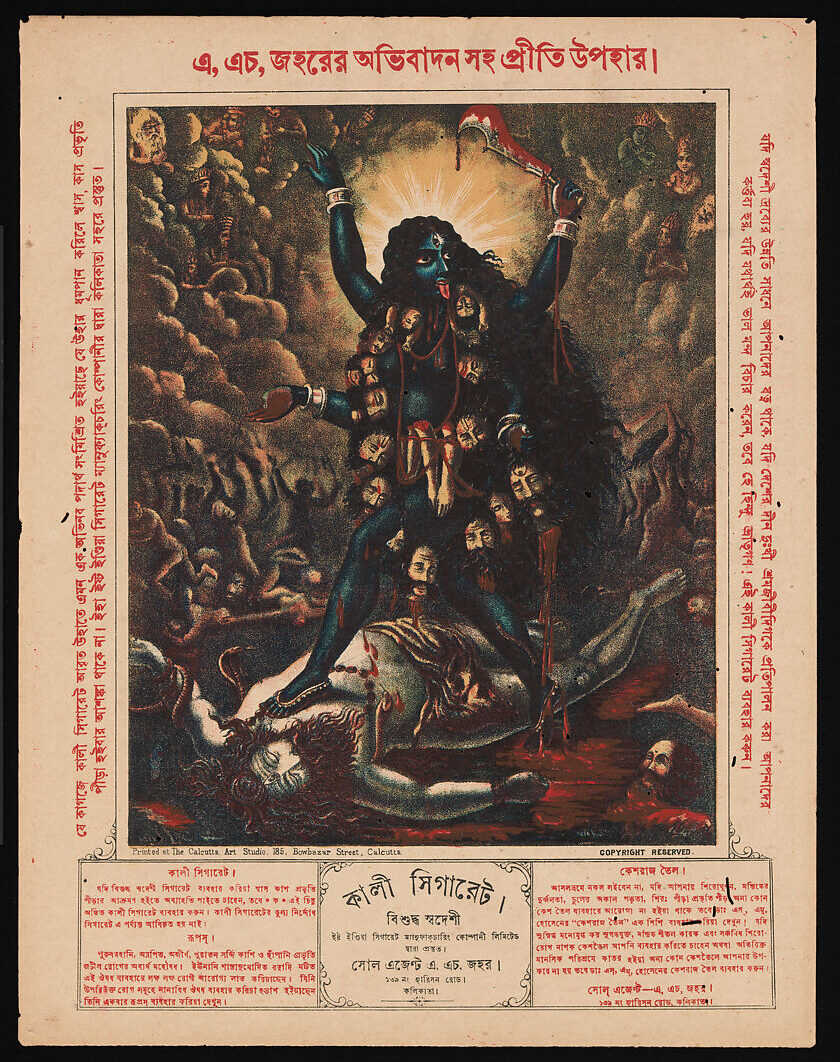
Kali, ca. 1885–95. Chromolithograph on paper, Kolkata, West Bengal, India. The Metropolitan Museum of Art, New York. Public Domain.
Personal Connection
Black Lioness occupies a deeply personal place within my artistic practice because it returns me to the cultural landscape in which I was born.
Growing up in Delhi, India, I was surrounded by stories, festivals, rituals, temples, and traditional narratives that formed part of everyday life. These traditions were never experienced as distant history—they were living expressions of culture, passed from one generation to the next through family, community, and shared experience. Although I did not fully understand their significance as a child, they became part of the visual and spiritual language that continues to shape my creative thinking today.
After migrating to Aotearoa New Zealand, I found myself reflecting more deeply on the role of culture in shaping identity and belonging. Living between two cultures encouraged me to look back at my own heritage with renewed curiosity and appreciation. I realised that many of the stories I had grown up with carried universal themes of courage, resilience, transformation, compassion, and hope.
The research behind Black Lioness became an opportunity to reconnect with those cultural foundations. Rather than revisiting them through nostalgia, I approached them through the perspective of an artist—seeking to understand how these traditional narratives continue to influence contemporary identity and how ancient teachings remain relevant within modern society.
As I explored the philosophy surrounding Goddess Kali, I discovered a complexity that extended far beyond familiar visual representations. Her symbolism of protection, transformation, and fearless compassion resonated with my own journey as an artist navigating new cultures while remaining connected to my origins.
Black Lioness therefore became more than a study of these traditions. It became a reflection on heritage, memory, and the enduring relationship between culture and identity. It reminds me that although I now live and create in Aotearoa New Zealand, my Indian heritage remains an inseparable part of the stories I tell and the values that continue to shape my artistic practice.
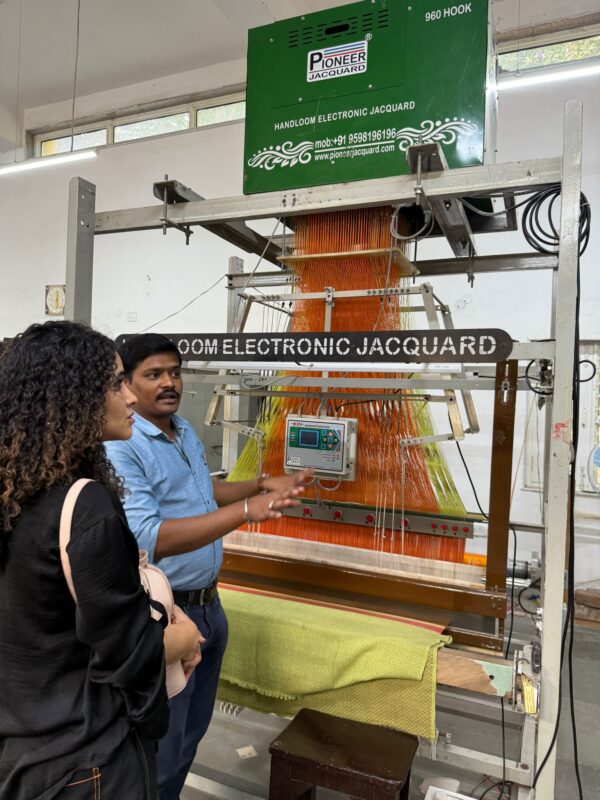
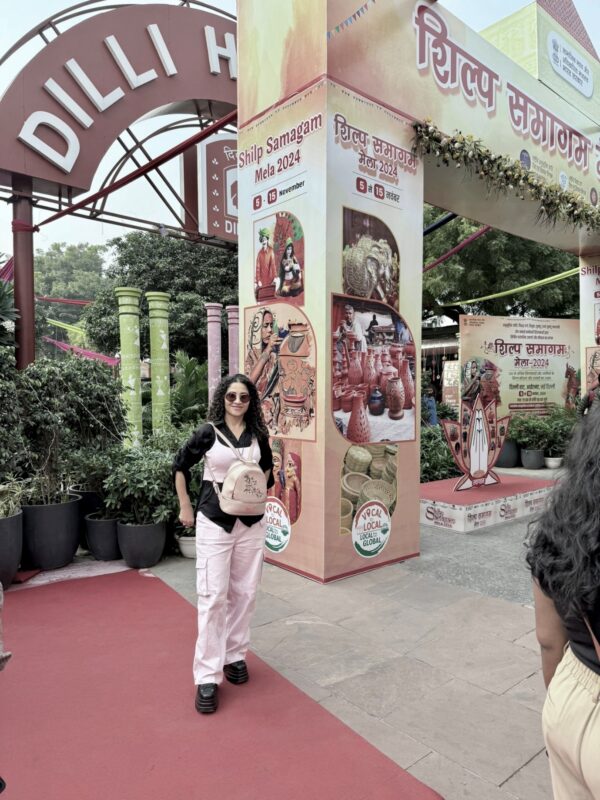
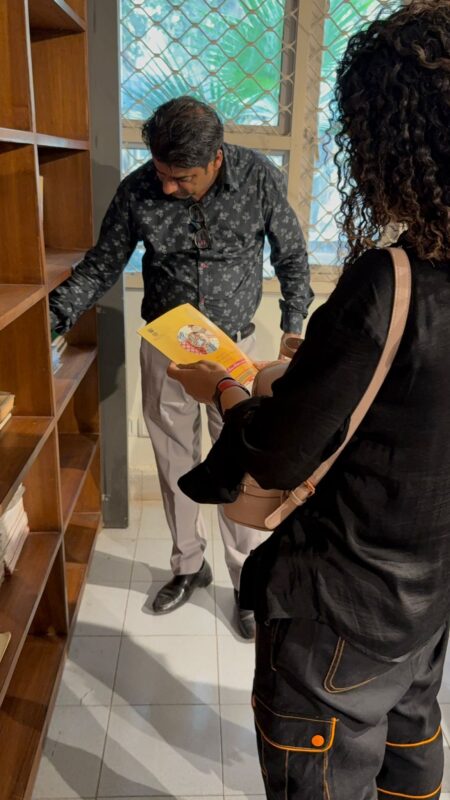
Returning to India — reconnecting with textile traditions, weaving practices, and the living culture of craftsmanship that formed part of my early visual world and continues to inform my artistic practice.
Artist Reflection
Black Lioness became a reminder that returning to one’s own culture can be as significant as discovering another.
Throughout my practice, I have explored the histories, philosophies, and traditions of different communities with respect and curiosity. This project encouraged me to look inward, recognising the depth of knowledge, symbolism, and artistic inspiration within my own heritage.
I came to understand that cultural narratives are not fixed in history. They remain living traditions, evolving through generations while retaining their enduring values and meaning.
As an artist, I became interested in translating these narratives into contemporary sculptural forms without losing their essence. Rather than recreating familiar imagery, I sought to express strength, protection, transformation, and resilience through material, structure, and craftsmanship.
The process reinforced my belief that every culture carries stories capable of contributing to our shared understanding of humanity. With research and respect, contemporary art can create opportunities for dialogue, connection, and cultural exchange.
Black Lioness remains an important chapter in my archive, representing both a return to my cultural foundations and a deeper appreciation of other cultures. This balance between personal identity and cultural exchange continues to shape my practice.
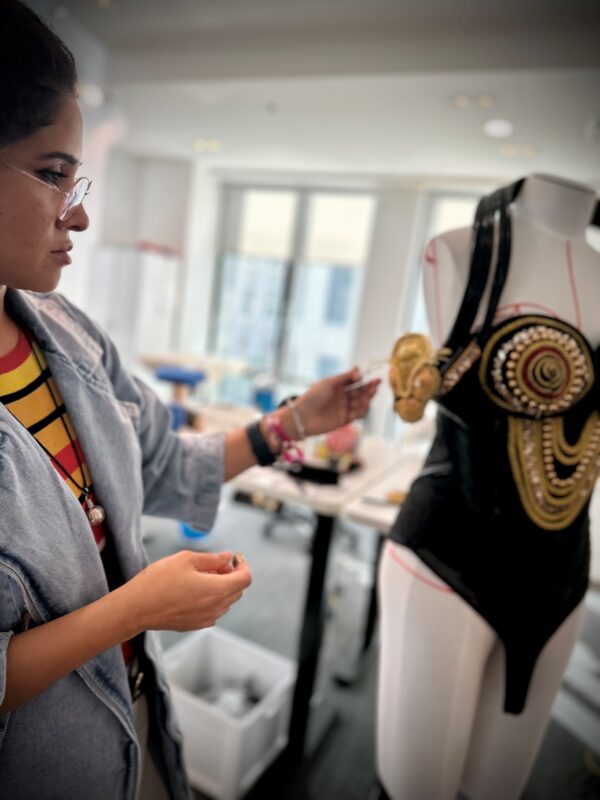
Black Lioness in the Archive
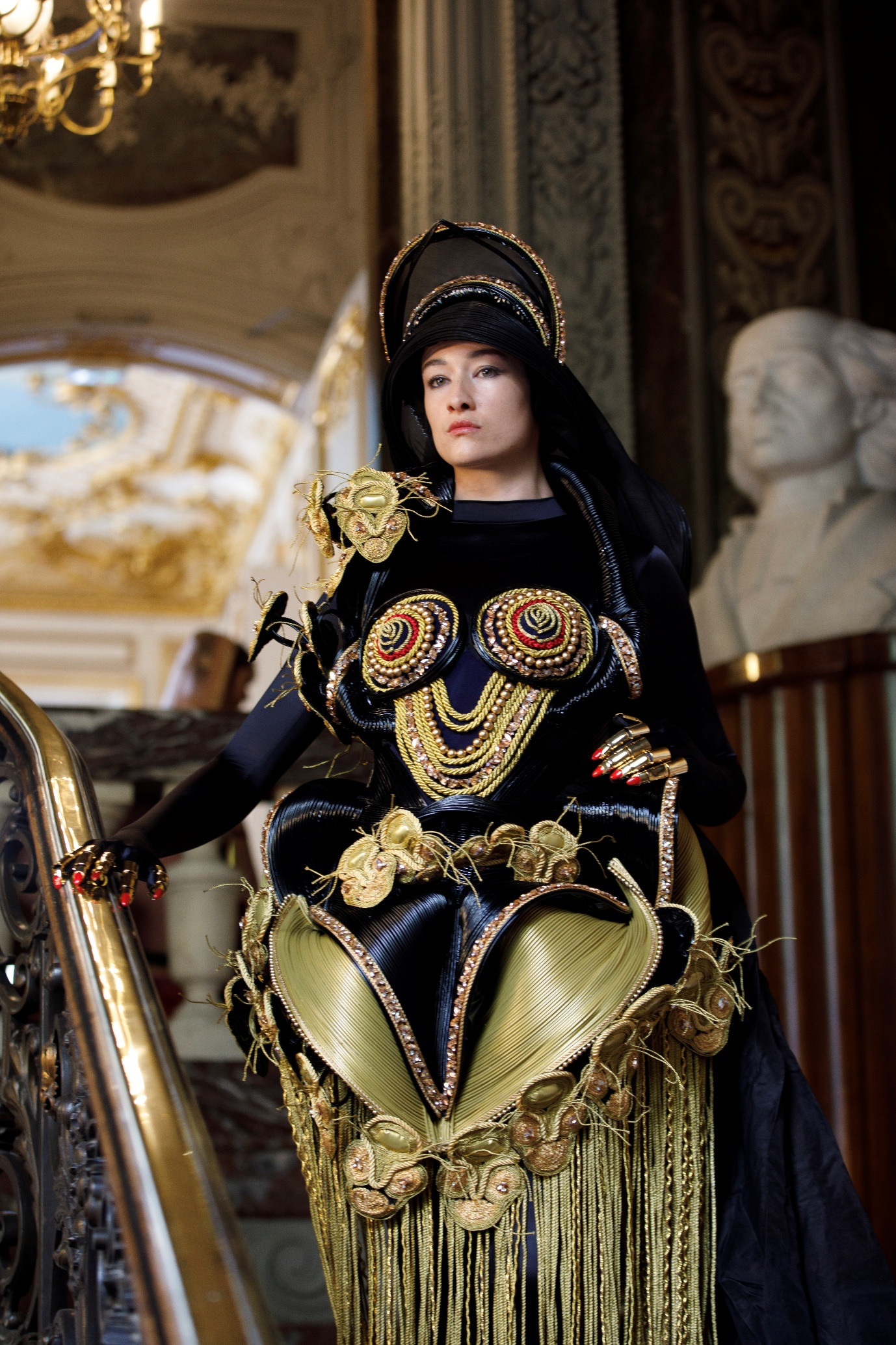
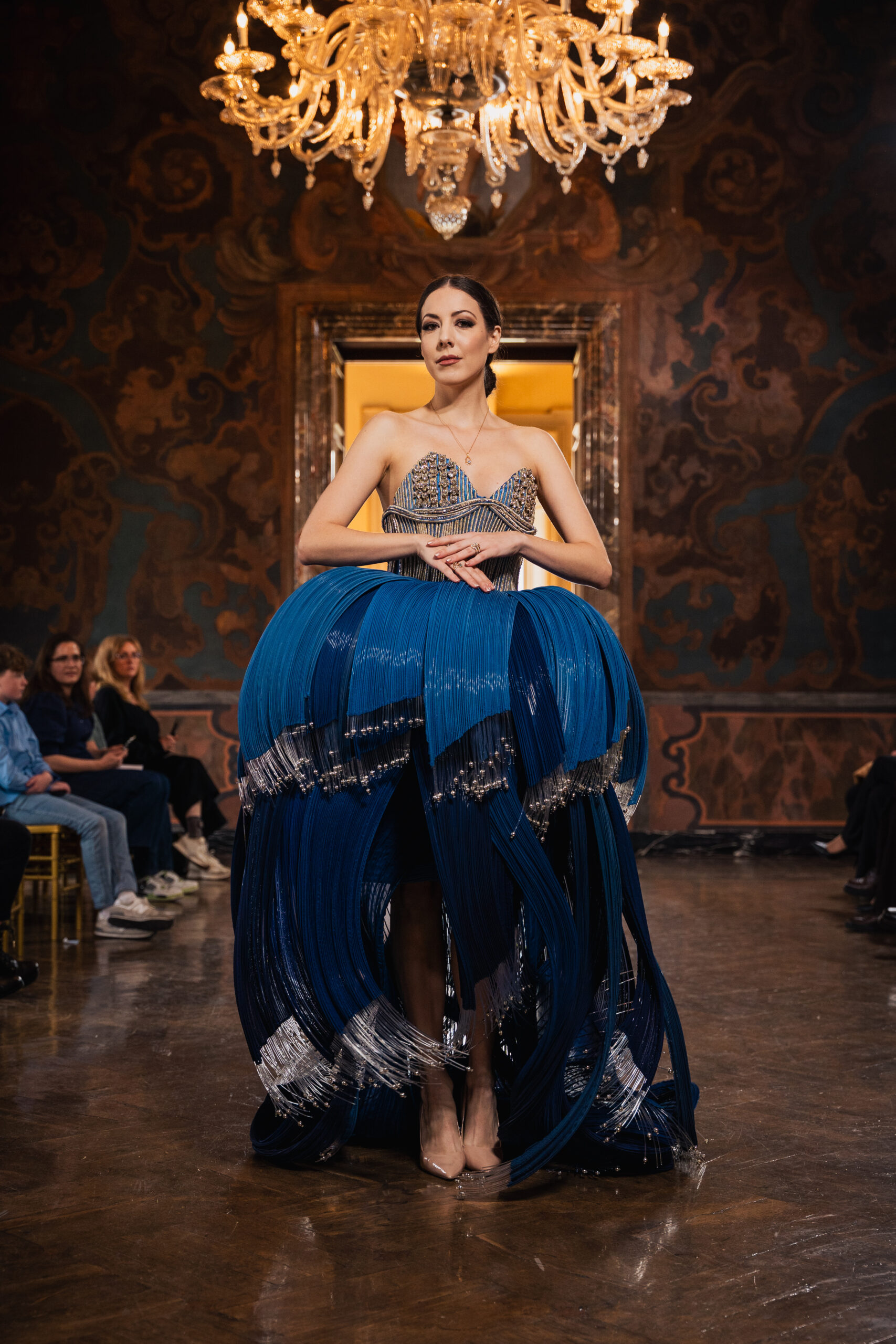
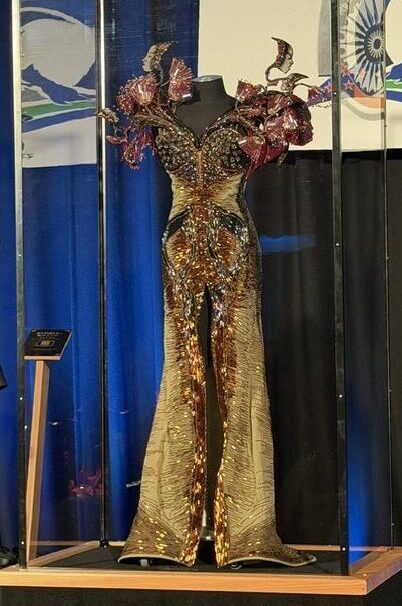
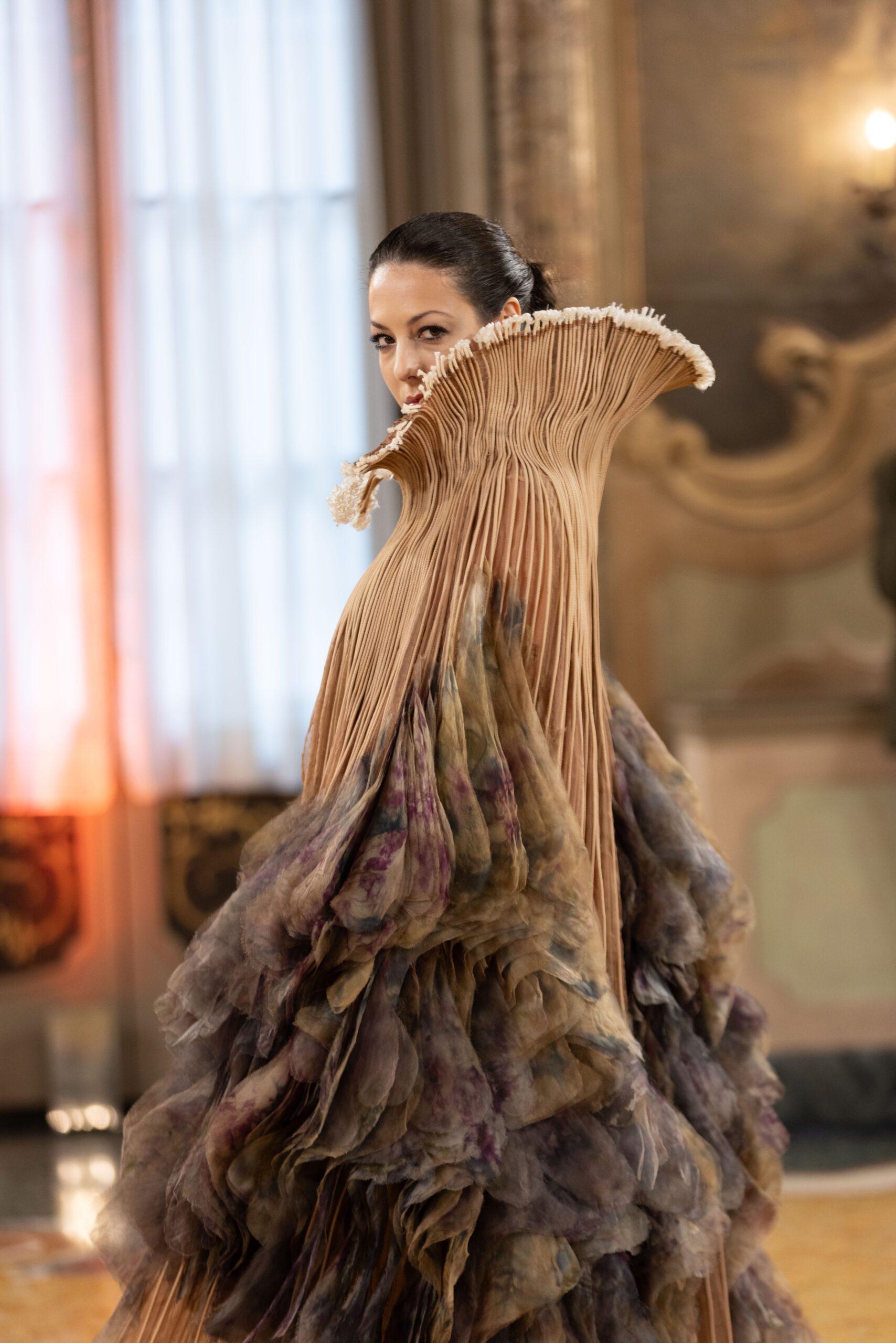
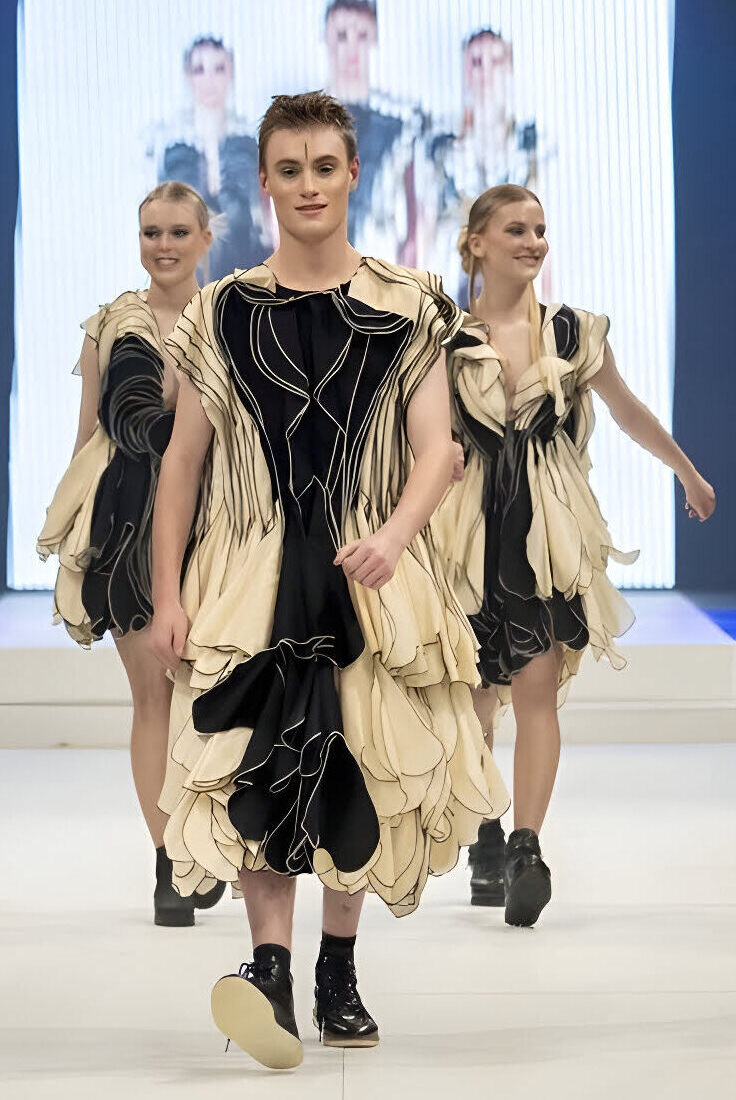
Black Lioness represents a significant chapter within my ongoing archive of wearable sculptures exploring culture as a living archive of human memory.
Inspired by the traditions surrounding Goddess Kali, the work examines how rituals and beliefs continues to shape identity, values, and collective memory across generations. Rather than presenting mythology as a subject confined to the past, the project considers how traditional narratives remain active sources of cultural knowledge, resilience, and transformation within contemporary society.
As the first major body of work in my practice to emerge directly from my own Indian heritage, Black Lioness occupies a unique place within the archive. It reflects a personal return to the cultural traditions that shaped my early understanding of symbolism, spirituality, craftsmanship, and storytelling while also exploring their relevance within a global contemporary context.
Within the broader archive, Black Lioness contributes to an ongoing investigation into how different cultures preserve meaning through stories, rituals, symbols, and artistic expression. Alongside projects such as EOS, MOANA, REINGA, and the Medici Project, it forms part of a larger body of work examining the relationship between cultural memory, identity, migration, belonging, and the role of art in fostering understanding between people and nations.
By preserving these narratives through wearable sculpture, the archive seeks to honour cultural heritage while creating opportunities for dialogue across generations and cultures. Black Lioness therefore stands not only as an exploration of Indian philosophy, but as a continuing conversation about the enduring role of culture in shaping who we are and how we connect with one another.
Acknowledgement
Black Lioness is created with deep respect for the cultural, spiritual, and traditional heritage of India that has inspired this work.
The project draws upon the symbolism and teachings associated with Goddess Kali, one of the most significant figures within Hindu tradition. It is presented as a contemporary artistic interpretation inspired by the enduring values of courage, protection, transformation, compassion, and resilience that these traditions continue to represent.
As an artist of Indian heritage, this work is also a tribute to the cultural knowledge, mythology, craftsmanship, and artistic legacy that have shaped generations of Indian communities. While informed by extensive research and personal cultural experience, the work does not seek to represent religious practice or ritual, but rather to respectfully explore the universal ideas these traditions continue to offer.
I acknowledge the countless artists, artisans, storytellers, scholars, temple builders, craftspeople, and communities whose knowledge has preserved these cultural narratives across centuries. Their enduring contributions continue to inspire new forms of artistic expression while reminding us of the importance of safeguarding cultural heritage for future generations.
It is my hope that Black Lioness encourages greater appreciation of India’s rich cultural traditions while contributing to meaningful dialogue, mutual respect, and cultural understanding between people, communities, and nations.
