
Reinga
PUBLIC UNVEILING
A Landmark Cultural Occasion
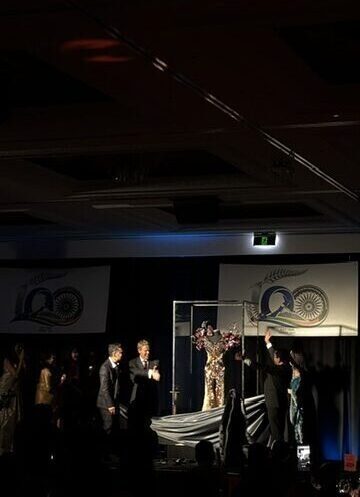
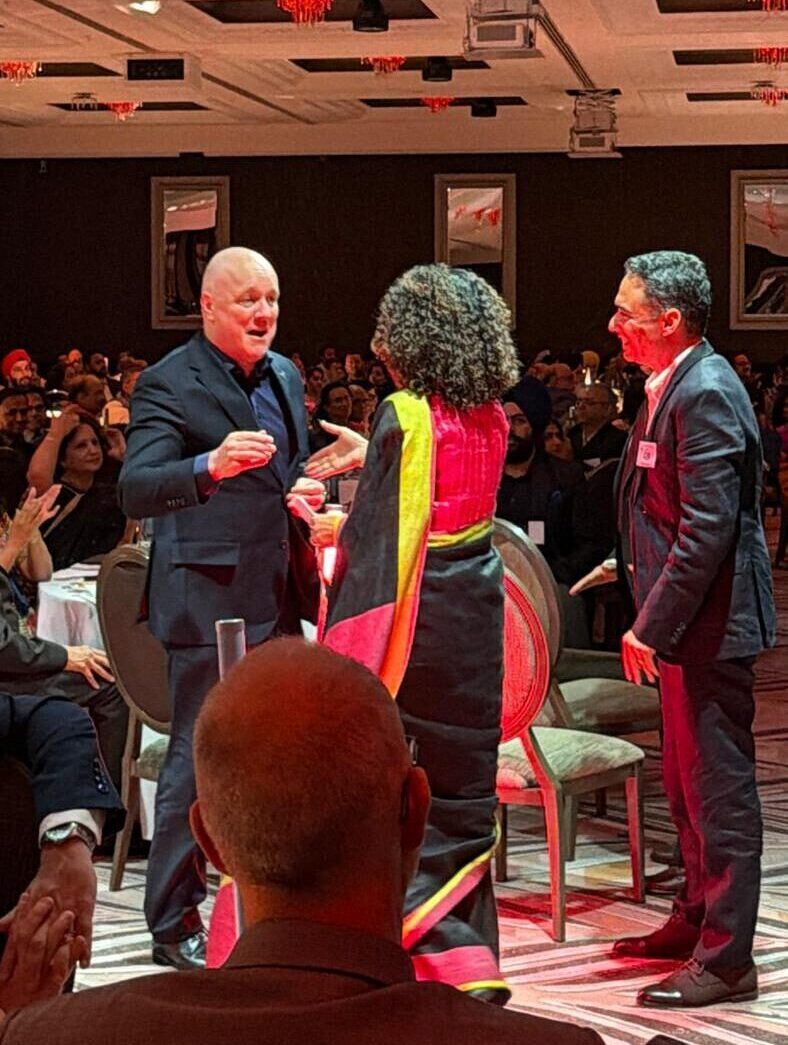
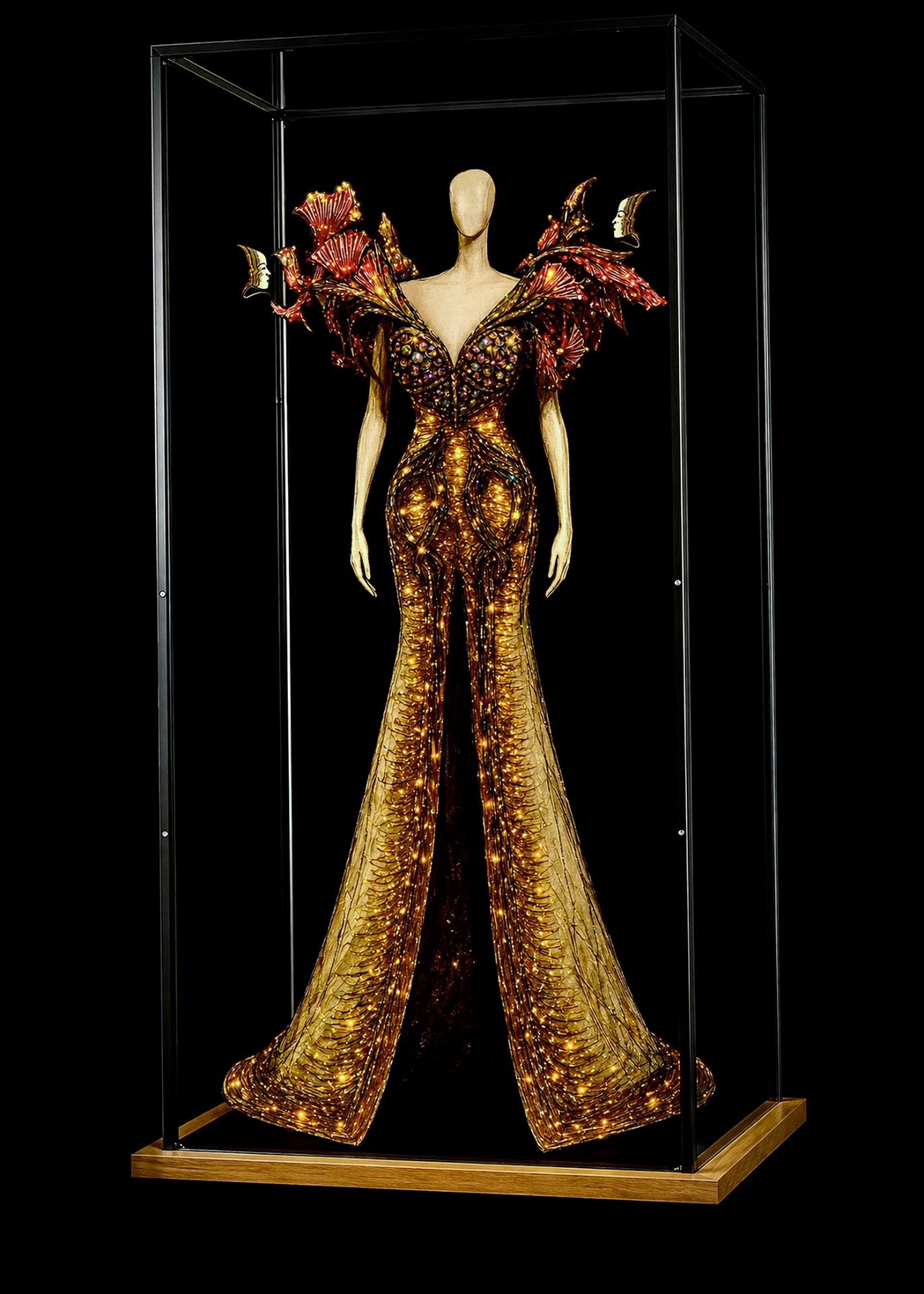
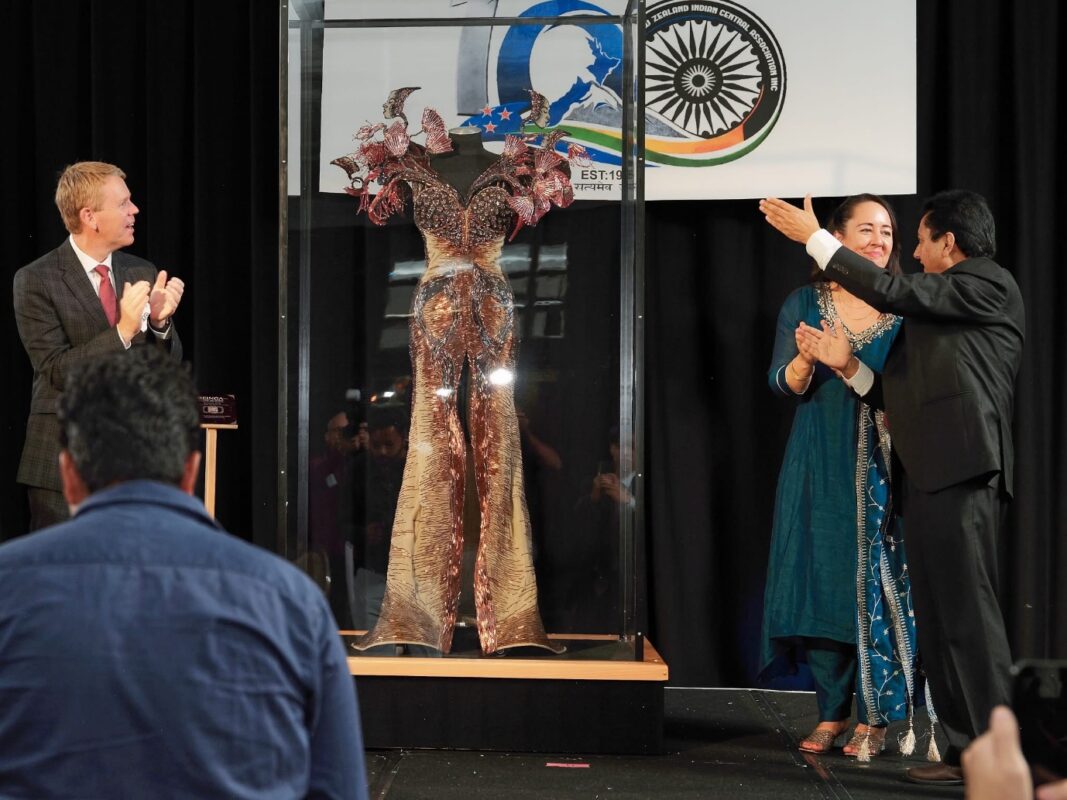
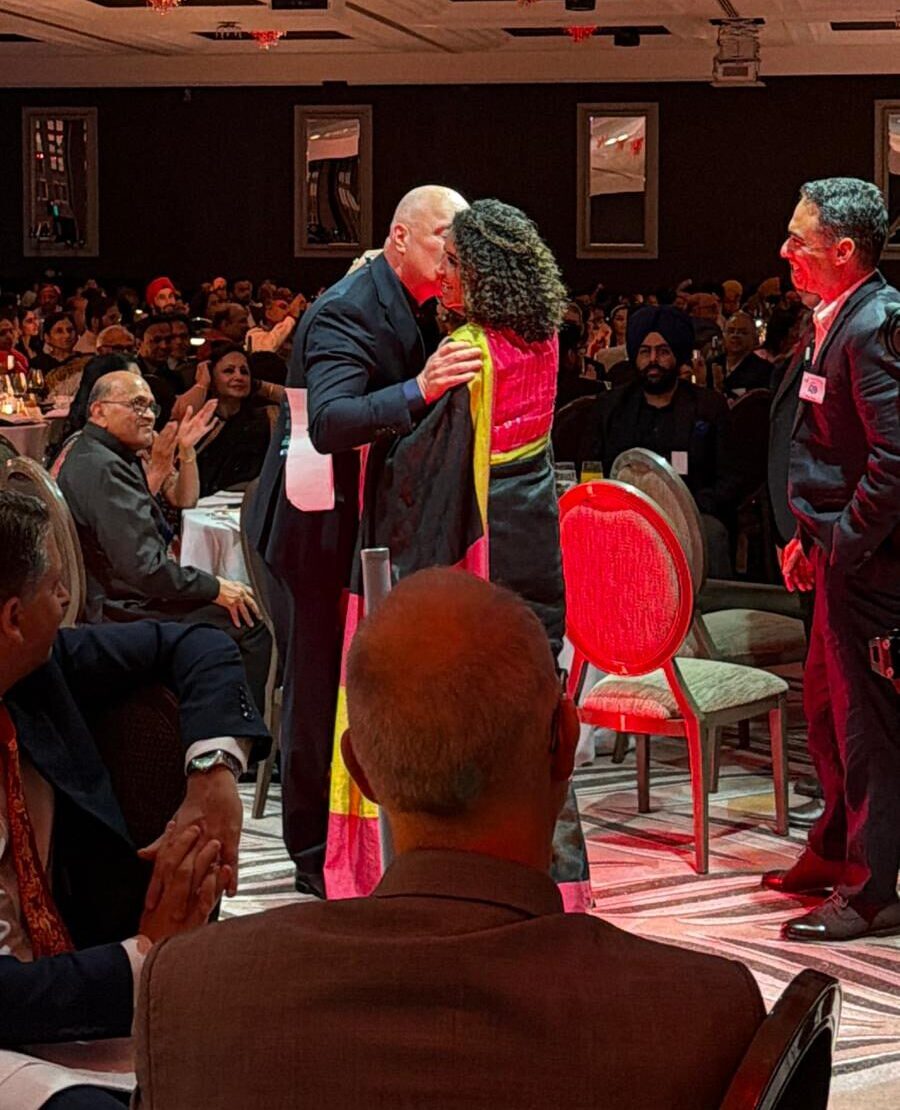
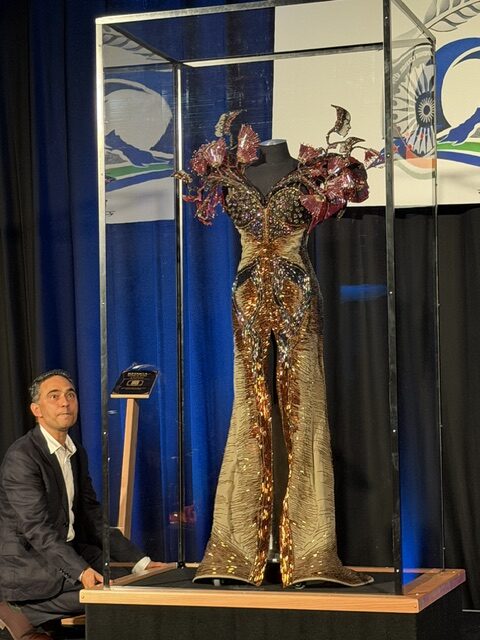
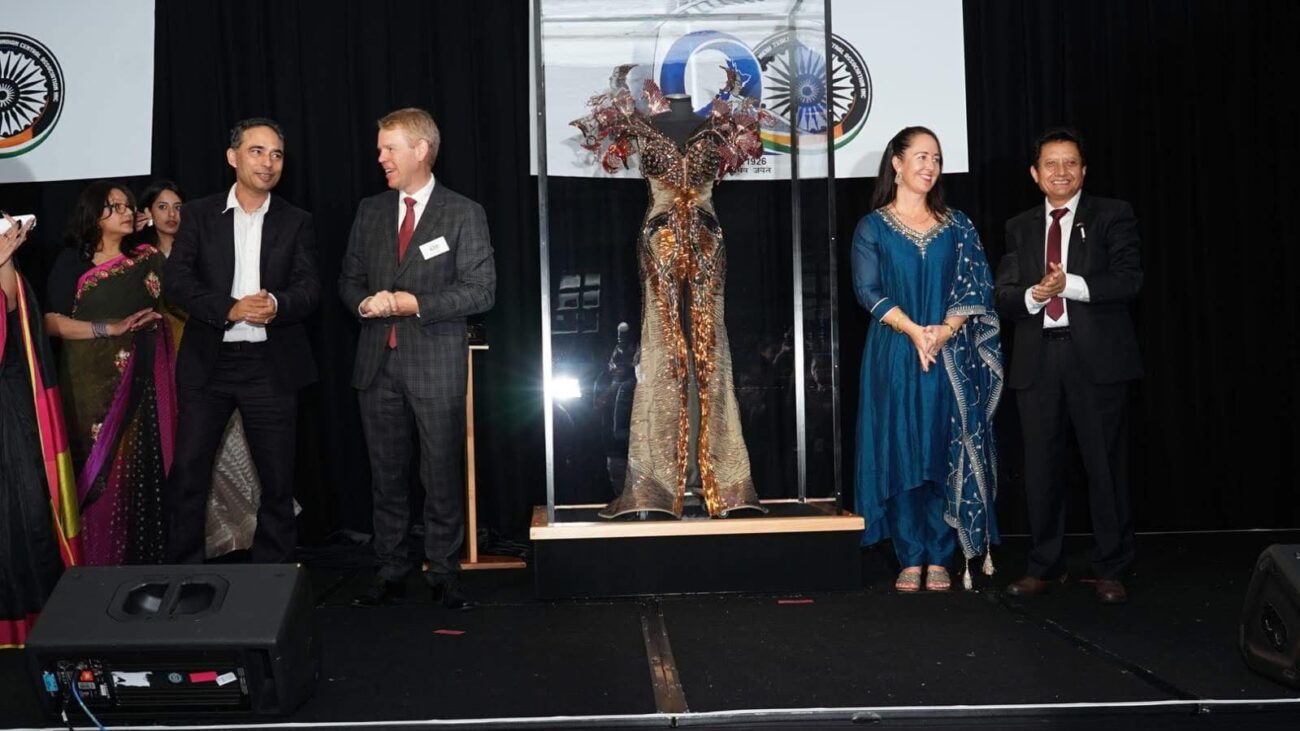
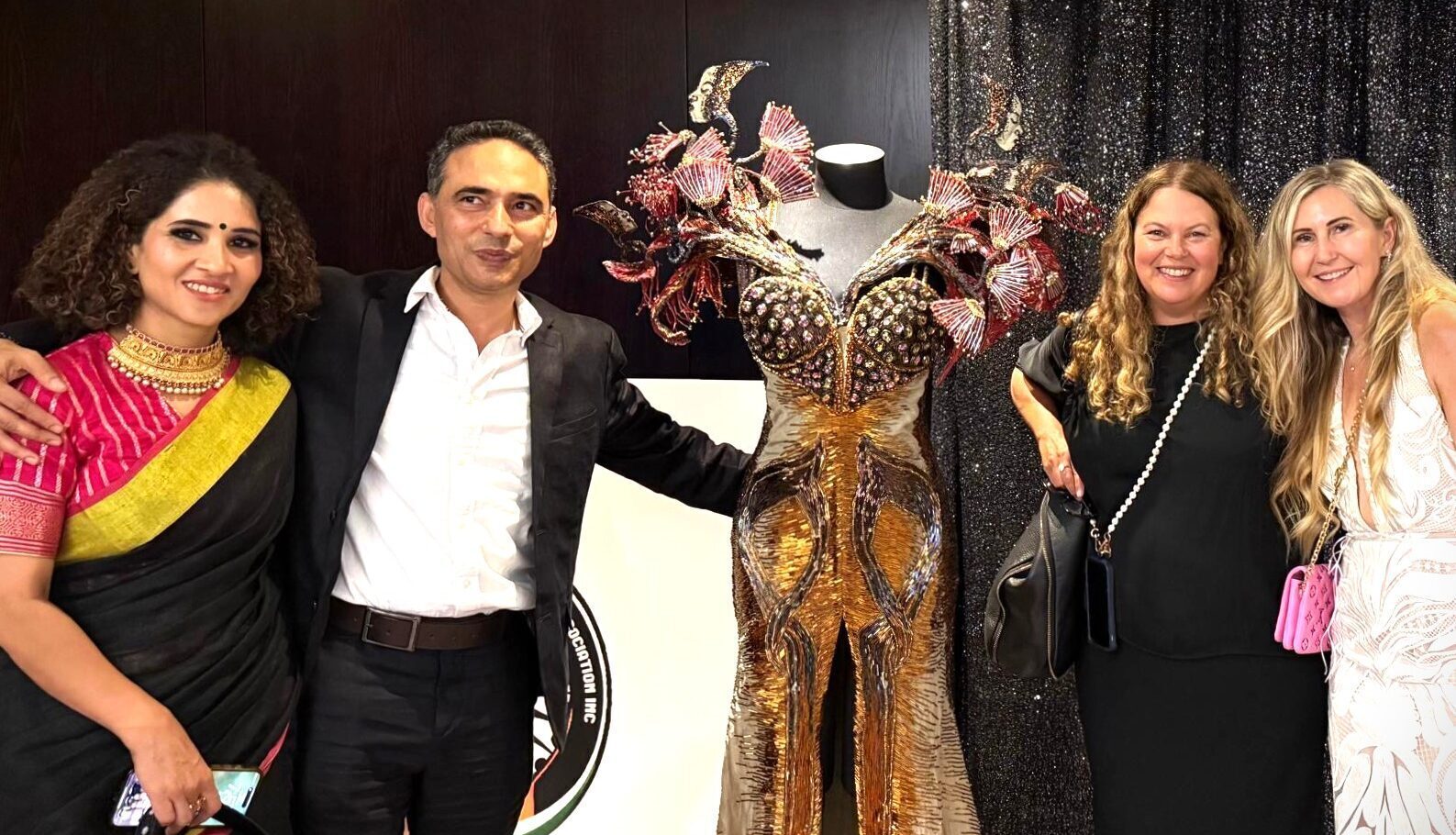
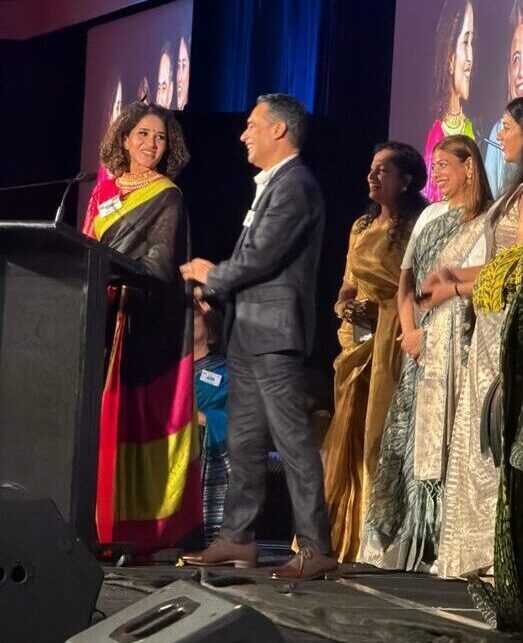
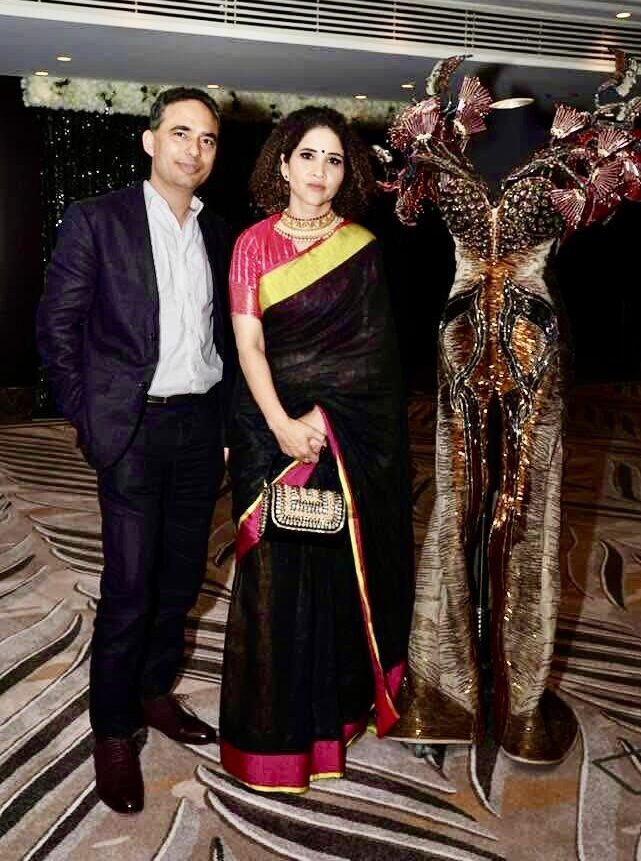
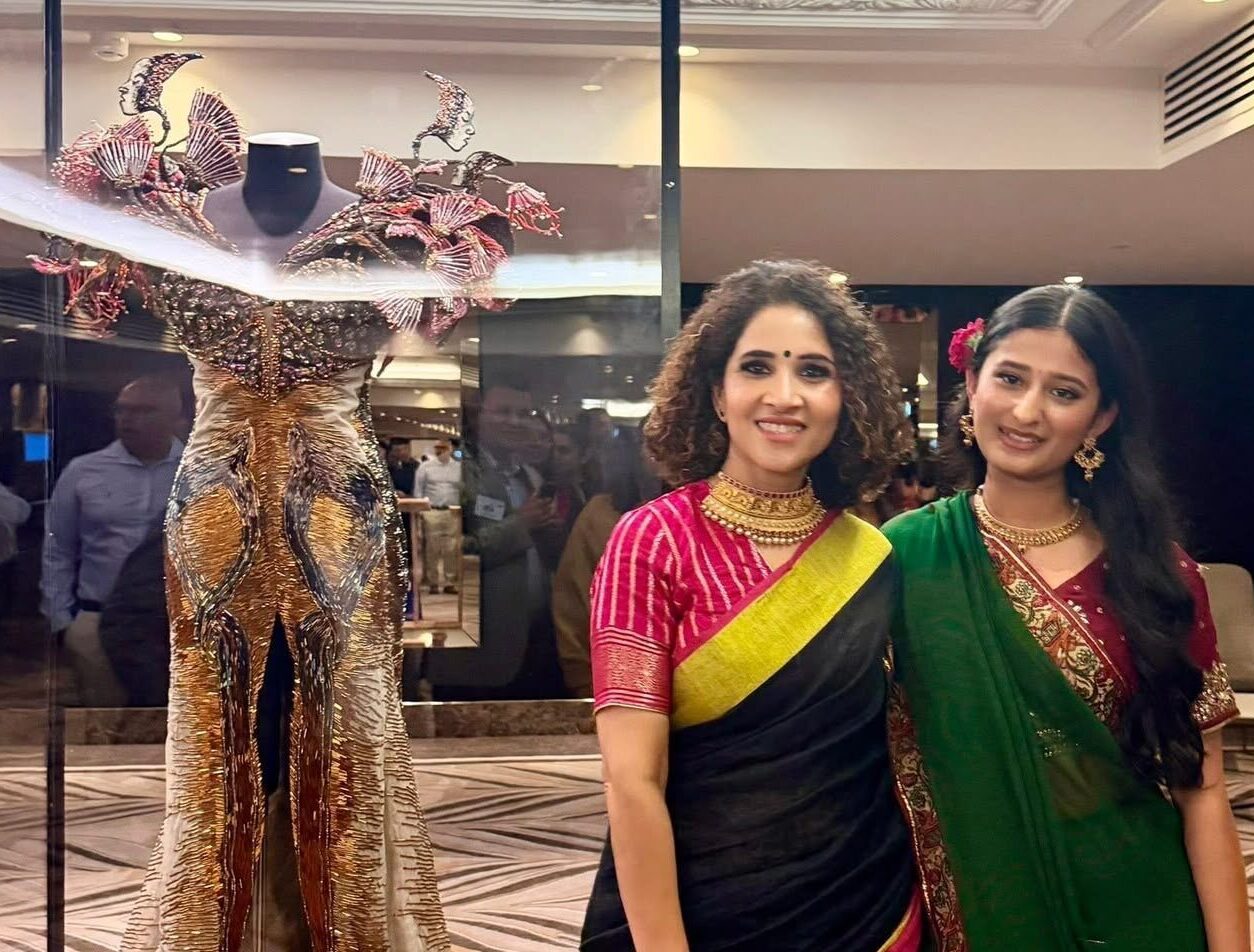
REINGA was publicly unveiled during the New Zealand Indian Central Association (NZICA) Centenary Celebration, commemorating one hundred years of Indian service, leadership, advocacy, and cultural contribution in Aotearoa New Zealand. Held in Auckland, the landmark event brought together Prime Minister Christopher Luxon, government ministers, diplomats, cultural representatives, community leaders, and members of the Indian and wider New Zealand communities.
The centenary represented more than an anniversary. It honoured generations whose resilience and contributions have helped shape the relationship between India and New Zealand. Within this significant cultural setting, REINGA was presented as a contemporary artistic response to Aotearoa, exploring heritage, ancestry, identity, belonging, memory, and the relationship between people and place.
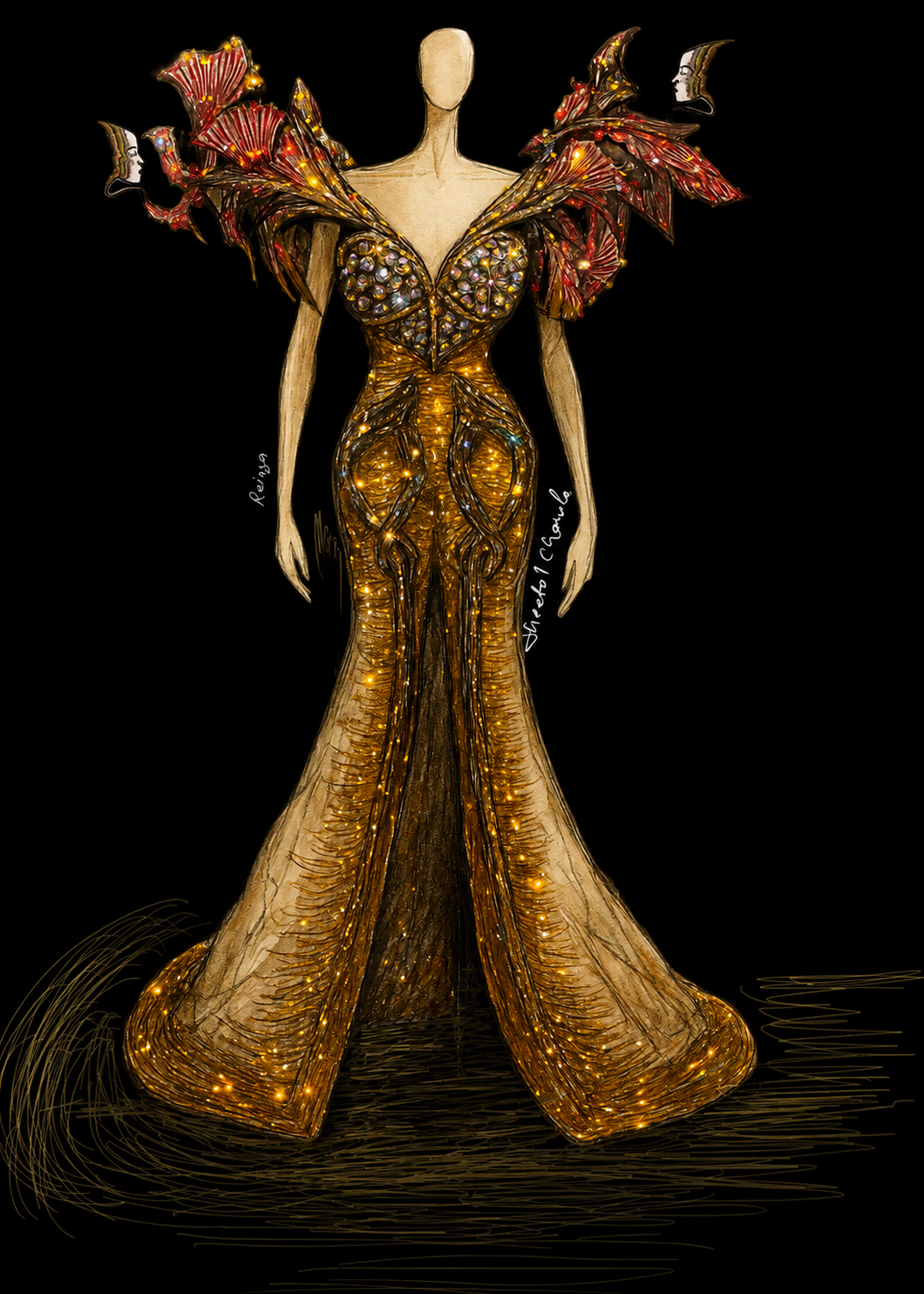
The unveiling also provided an opportunity to share the extensive research, creative exploration, and thousands of hours of meticulous hand craftsmanship behind the work. Audiences encountered the sculpture from multiple perspectives, examining its intricate details, discussing its development, and reflecting on the cultural narratives it explored.
These interactions became an important part of the presentation, demonstrating how wearable sculpture can extend beyond conventional exhibition spaces and contribute to broader cultural conversations. Through REINGA, artistic practice became a space for public dialogue, cultural reflection, and connection, bringing people from diverse backgrounds together through art, storytelling, and craftsmanship.
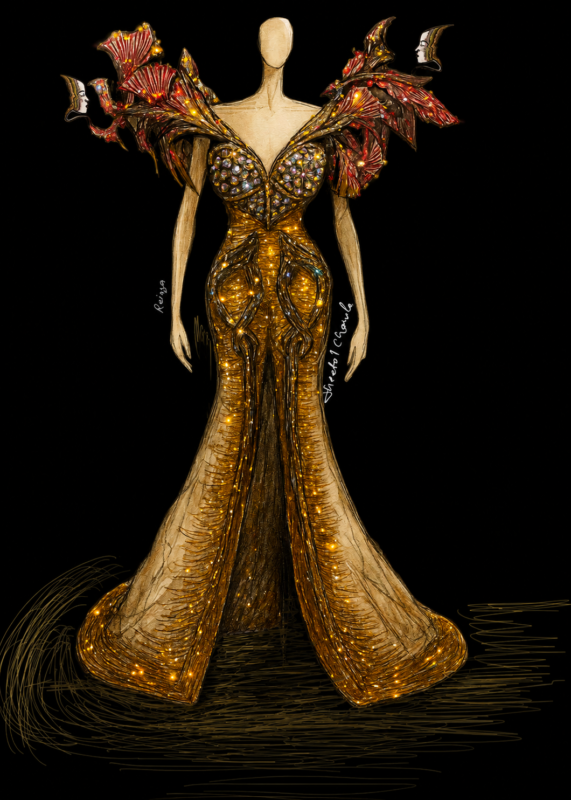
Introducing REINGA to the Public
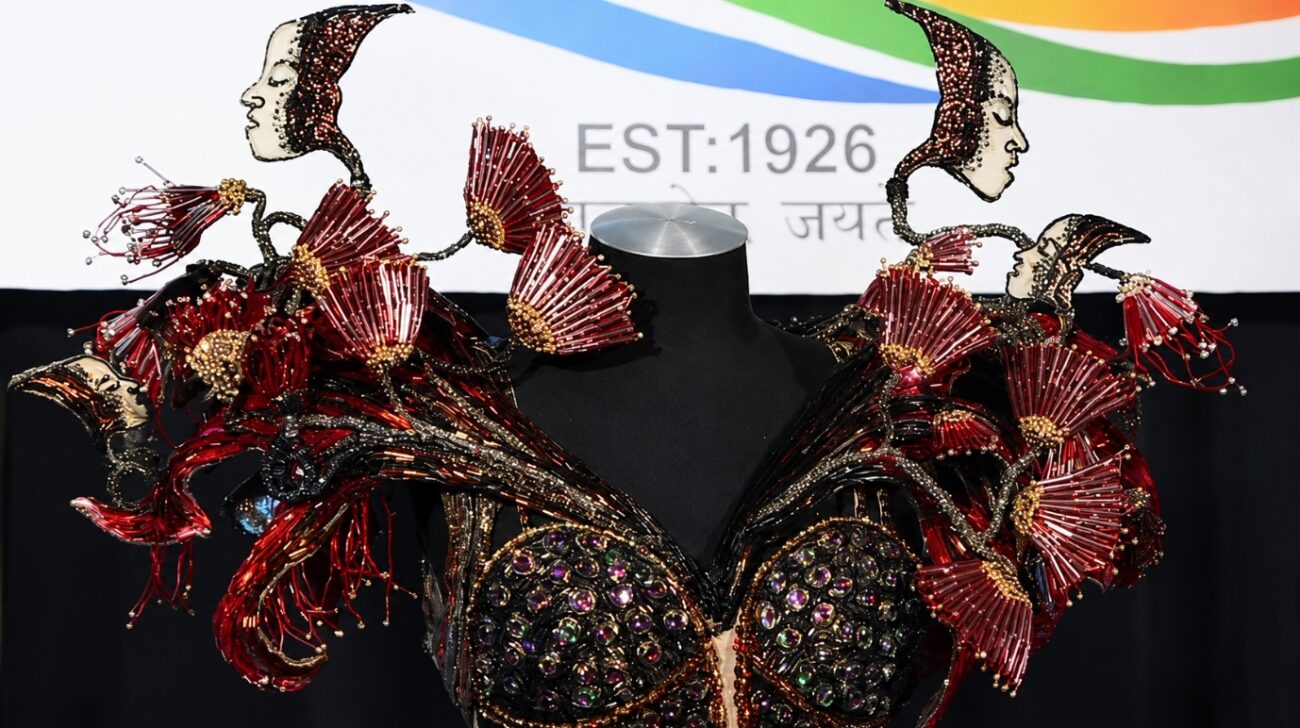
As part of this nationally significant occasion, REINGA was presented as a contemporary work of wearable sculpture developed through extensive cultural research, material experimentation, and meticulous hand craftsmanship. Rather than functioning as a theatrical performance or a fashion presentation, the unveiling invited visitors to experience the work as a sculptural artwork whose meaning unfolded gradually through observation, conversation, and reflection.
For many members of the audience, this marked their first encounter with the project after years of its development within the studio. The unveiling transformed a deeply personal research journey into a shared public experience, allowing viewers to witness the transition of the work from private creation into the broader cultural landscape. This moment represented an important milestone not only for the artwork itself but also for my wider practice of building an archive dedicated to preserving cultural narratives through contemporary artistic expression.
CULTURAL PRESENTATION
Opening with Karakia
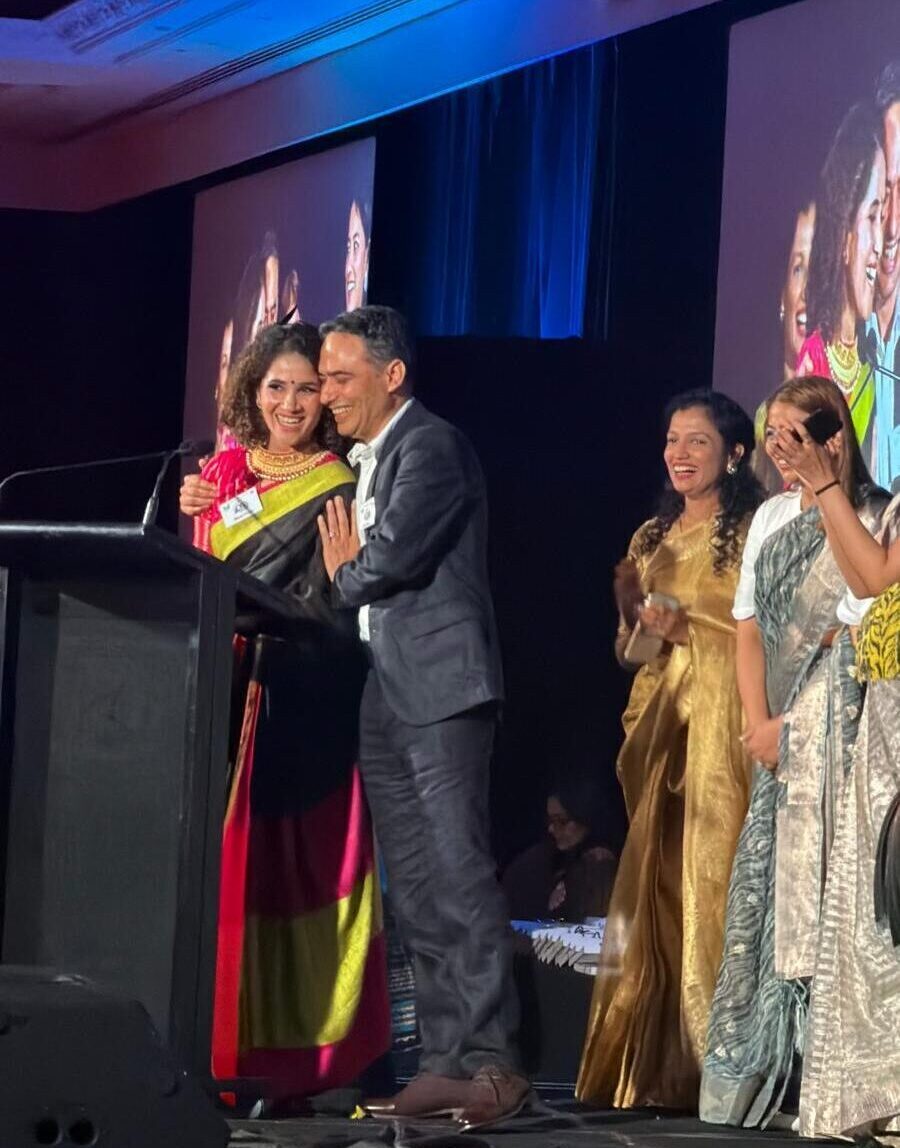
The public unveiling of REINGA commenced with a karakia led by Dr Melissa Derby, Human Rights Commissioner of Aotearoa New Zealand. As a respected Māori leader, Dr Derby opened the presentation by acknowledging the cultural and spiritual significance of the occasion and establishing an atmosphere of respect before the artwork was introduced.
Within te ao Māori (the Māori worldview), a karakia is a sacred prayer, blessing, or ceremonial invocation. It may honour ancestors, acknowledge the natural world, seek guidance and protection, or bring people together with shared purpose. Karakia have long been an important part of Māori cultural life, marking significant moments and recognising connections between people, place, and spirituality.
Beginning the unveiling with a karakia was particularly meaningful because REINGA draws inspiration from Te Rerenga Wairua (Cape Reinga), a place of deep cultural significance in Aotearoa New Zealand. According to Māori tradition, it is understood as the place where the spirits of the departed begin their final journey toward their ancestral homeland.
While the artwork does not interpret Māori beliefs, beginning with karakia ensured that its presentation acknowledged the significance of the place that inspired its research. The ceremony established a respectful framework, recognising the responsibility to approach cultural stories, sacred places, and ancestral knowledge with humility and care.
Following the karakia, the audience entered a reflective atmosphere, recognising the cultural and spiritual context from which REINGA emerged. The ceremony reinforced the importance of cultural responsibility, reminding audiences that respect should precede interpretation.
The sculpture was then presented within this cultural framework, inviting visitors to engage with its craftsmanship and themes of identity, heritage, memory, and place.
The unveiling demonstrated how contemporary art and traditional cultural protocols can coexist respectfully, creating meaningful connections through ceremony, storytelling, and artistic practice. It also marked the beginning of REINGA’s continuing public journey through future exhibitions and cultural conversations.
AUDIENCE EXPERIENCE
The public unveiling of REINGA marked the beginning of the artwork’s life beyond the studio. Once the ceremony had concluded and the sculpture was formally introduced, the atmosphere shifted naturally from quiet reflection to curiosity and discovery. Visitors gradually gathered around the work, forming small groups that moved thoughtfully through the space, each person approaching the sculpture from their own perspective and at their own pace.
Unlike many artworks that are viewed briefly before audiences move on, REINGA encouraged people to slow down. The sculpture revealed itself gradually, inviting visitors to spend time with it rather than simply observe it from a distance. People instinctively walked around the work, changing their viewpoints to understand its scale, form, and construction. With every step, new details emerged, creating an experience of continual discovery that rewarded careful observation.
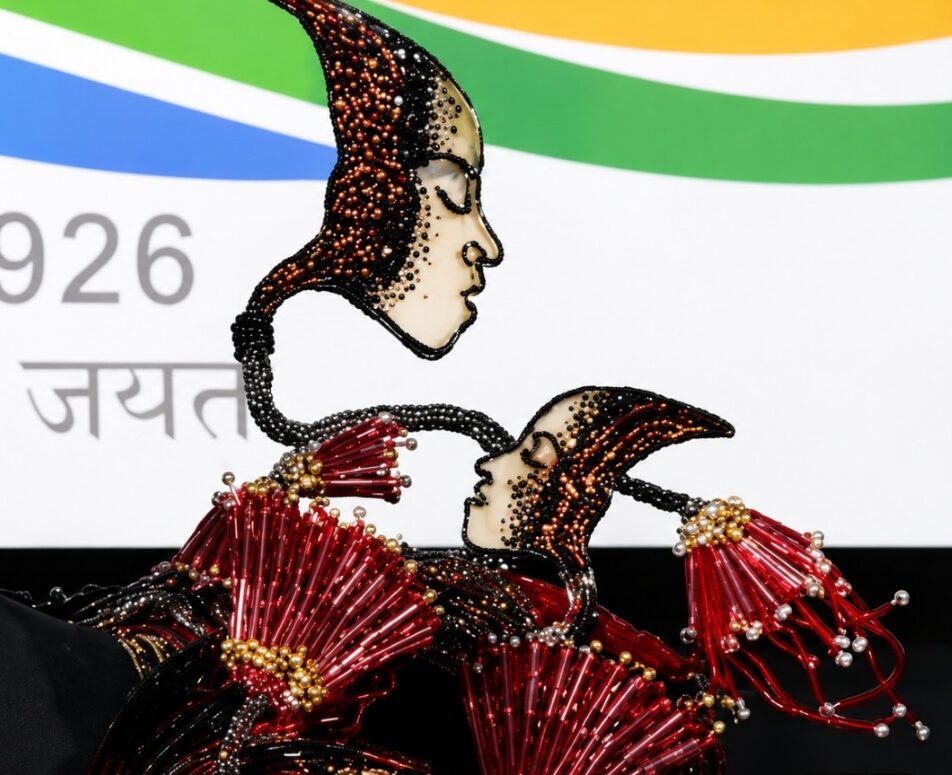
From afar, the sculpture presented itself as a commanding architectural presence, its silhouette immediately capturing attention within the exhibition space. As visitors moved closer, however, the monumental form gave way to an extraordinary level of intricate craftsmanship. Delicate micro-stitching, thousands of individually applied embellishments, sculptural textile structures, and finely engineered details became increasingly visible, revealing countless hours of meticulous handwork that could never be fully appreciated through a single glance.
Many visitors naturally leaned closer to examine the work, tracing the surfaces with their eyes and attempting to understand how its complex forms had been constructed. Questions arose spontaneously as people discussed the materials, techniques, and engineering that lay beneath the finished sculpture. Conversations moved beyond admiration of its visual appearance and towards an appreciation of the patience, precision, and dedication required to transform years of research into a physical work of art.
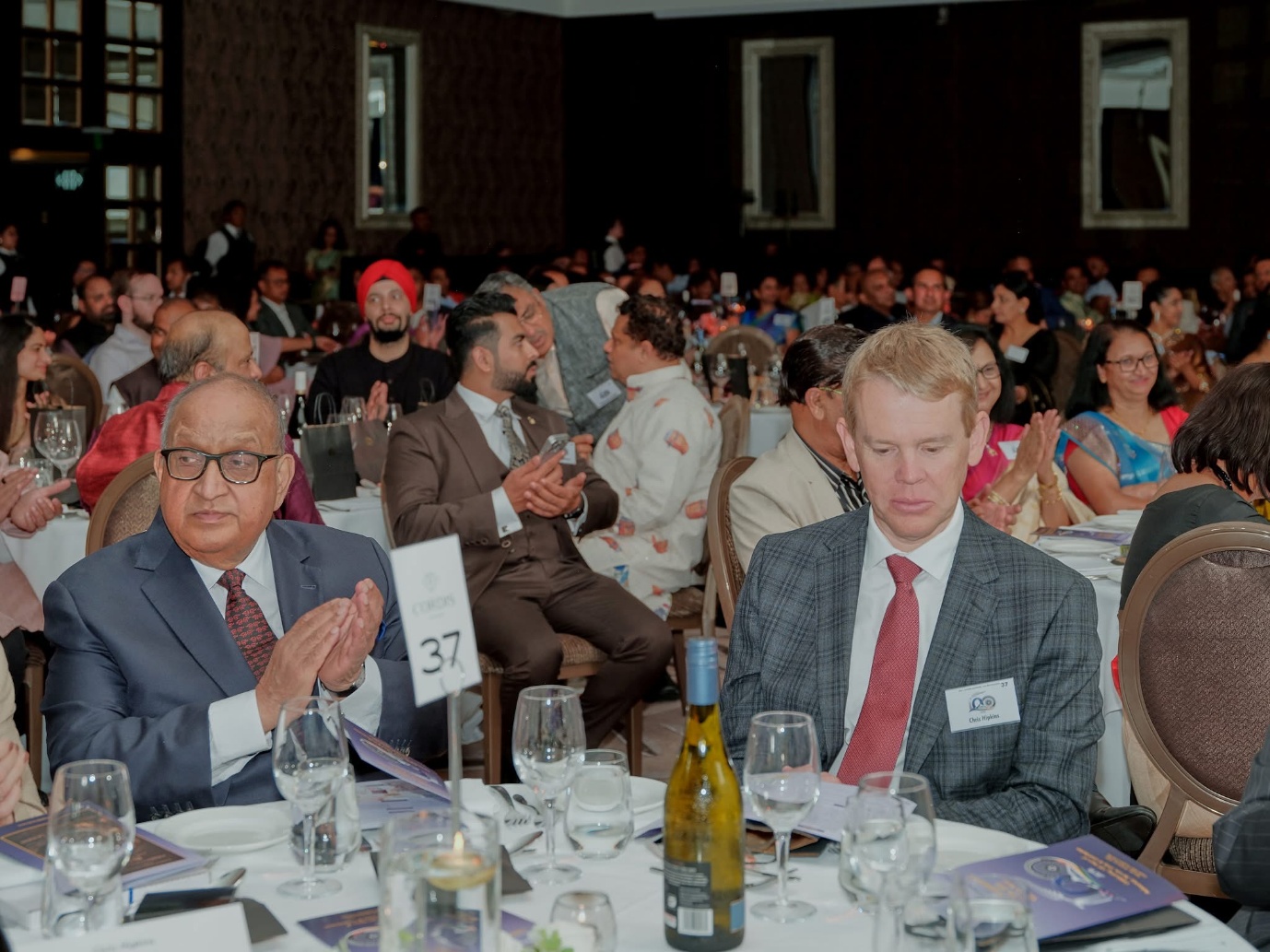
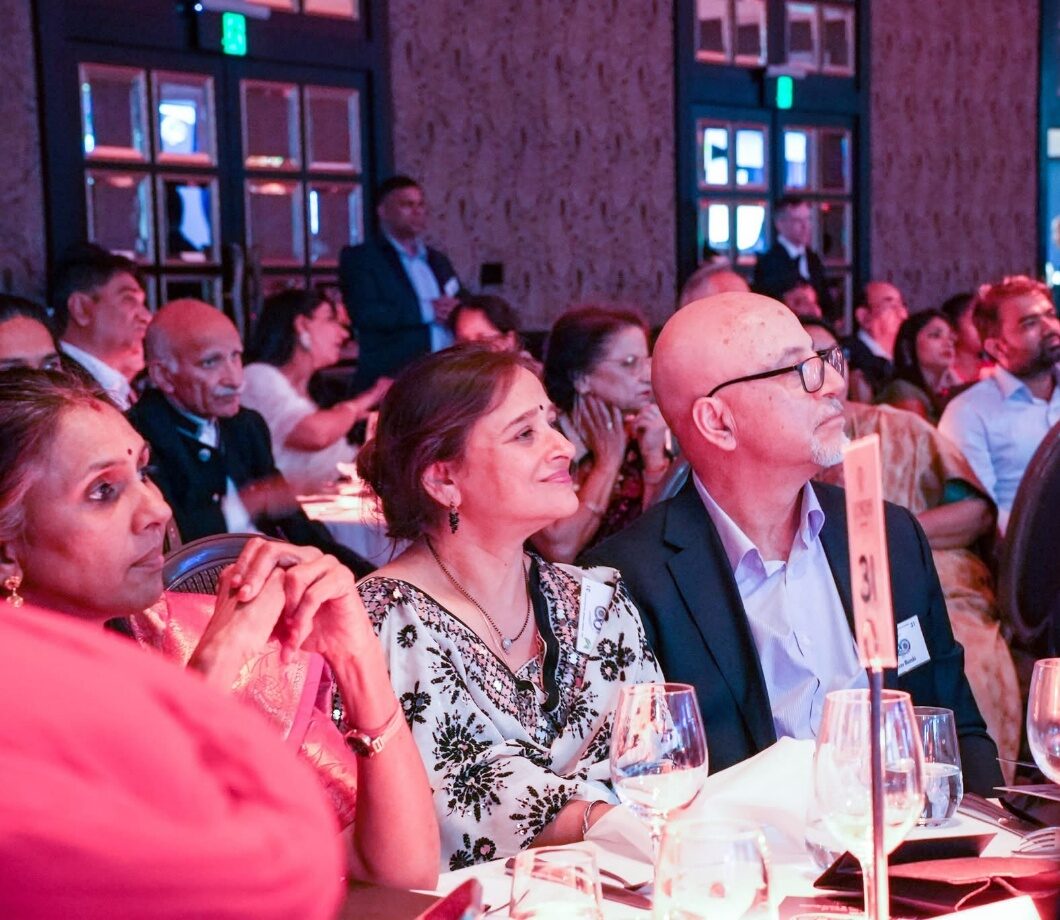
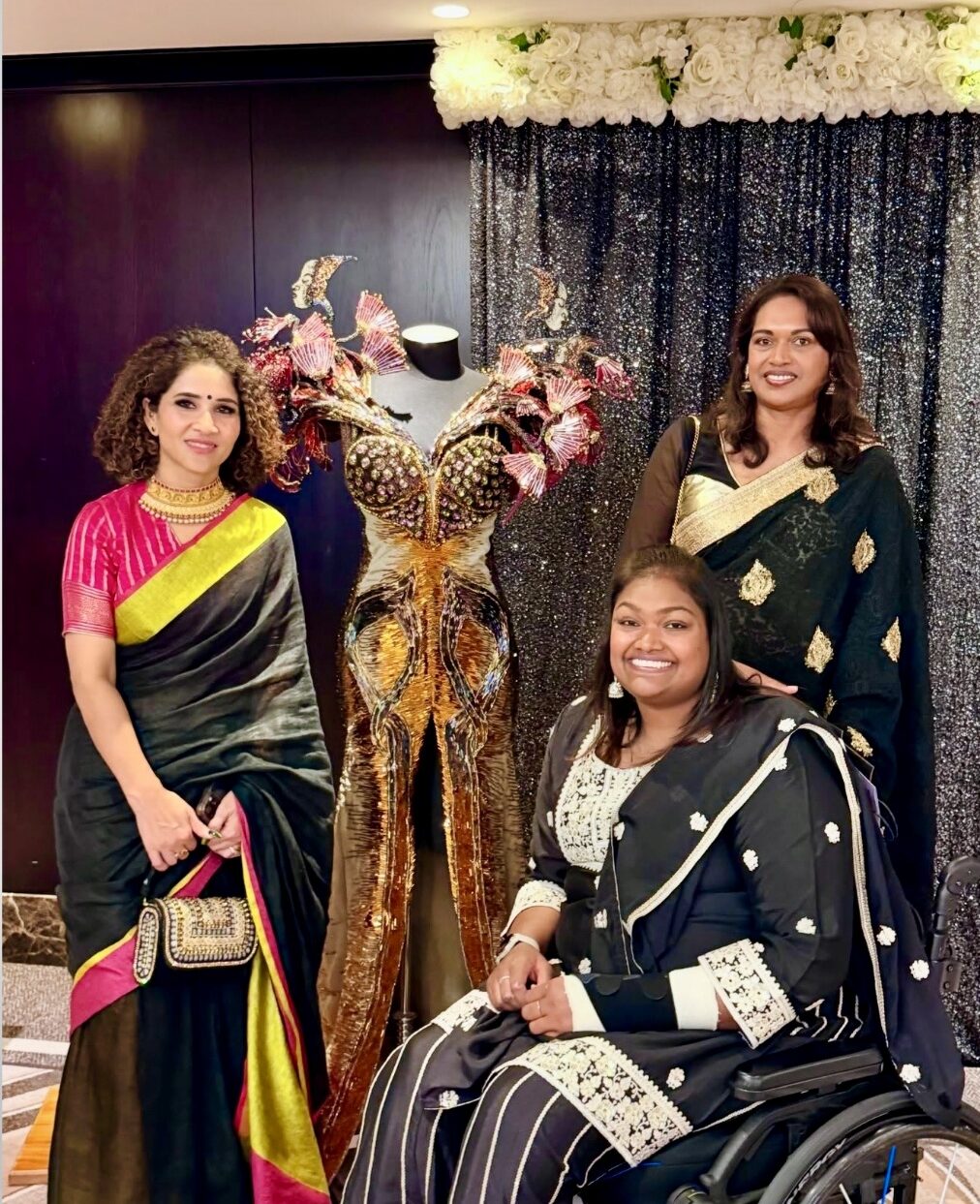
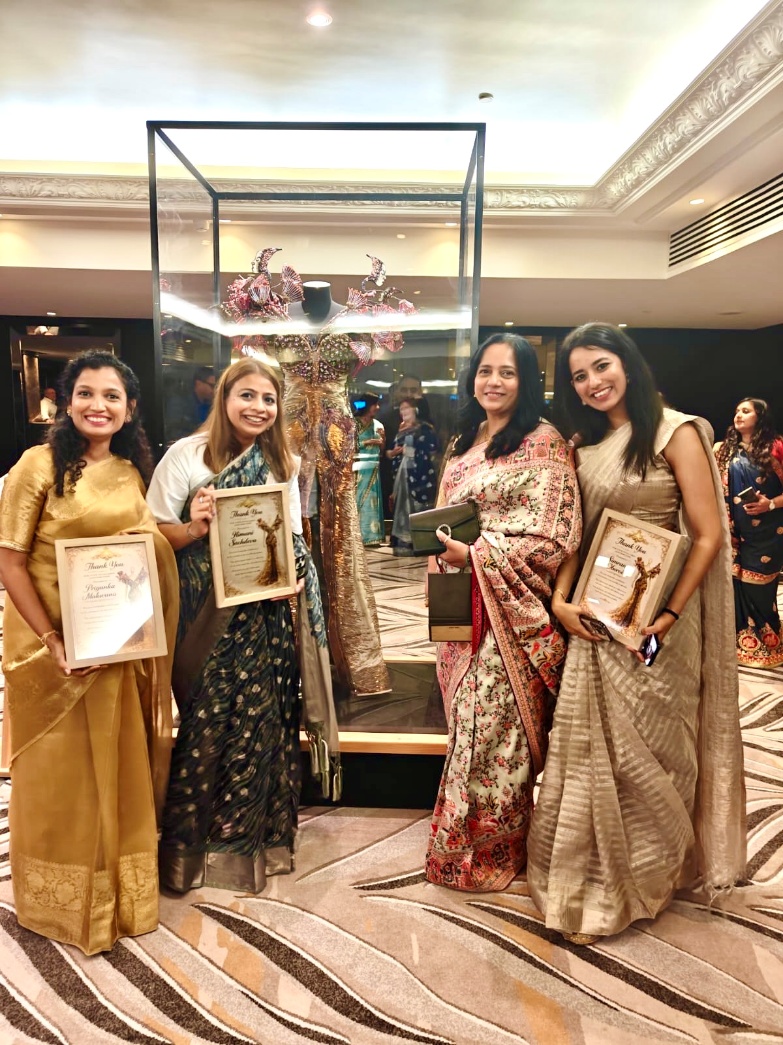
Throughout the evening, the sculpture became a gathering point for dialogue. Small groups formed and dispersed as visitors shared personal interpretations, discussed the cultural themes that resonated with them, and exchanged observations about the symbolism, craftsmanship, and scale of the work. Individuals from different generations and cultural backgrounds brought their own experiences into these conversations, demonstrating how a single artwork can generate multiple perspectives while encouraging meaningful exchange between people who may never have met before.
Photography became an important part of the audience’s interaction with REINGA. Visitors carefully positioned themselves around the sculpture, capturing different angles and details while documenting their encounter with the work. These photographs extended the experience beyond the exhibition itself, allowing the artwork to continue its journey through personal memories, conversations, and wider public sharing. Rather than simply recording an object, many images reflected the relationship between people and the sculpture, preserving moments of curiosity, admiration, and engagement that became part of the artwork’s evolving story.
One of the most rewarding aspects of the evening was observing how long visitors chose to remain with the work. Instead of passing quickly through the space, many returned several times, each visit revealing details they had previously overlooked. The sculpture encouraged a slower rhythm of viewing, reminding audiences that meaningful engagement often develops through patience and sustained attention rather than immediate understanding. Every return offered another opportunity to discover new textures, relationships, and subtleties embedded within the work.
For me as an artist, watching these interactions unfold was profoundly meaningful. Years of research, experimentation, and meticulous craftsmanship had taken place quietly within the studio, often without knowing how audiences would ultimately respond. Witnessing people pause, reflect, ask questions, and spend genuine time engaging with the sculpture confirmed that the work had begun to fulfil one of its most important purposes—not simply to be seen, but to create space for curiosity, dialogue, and contemplation.
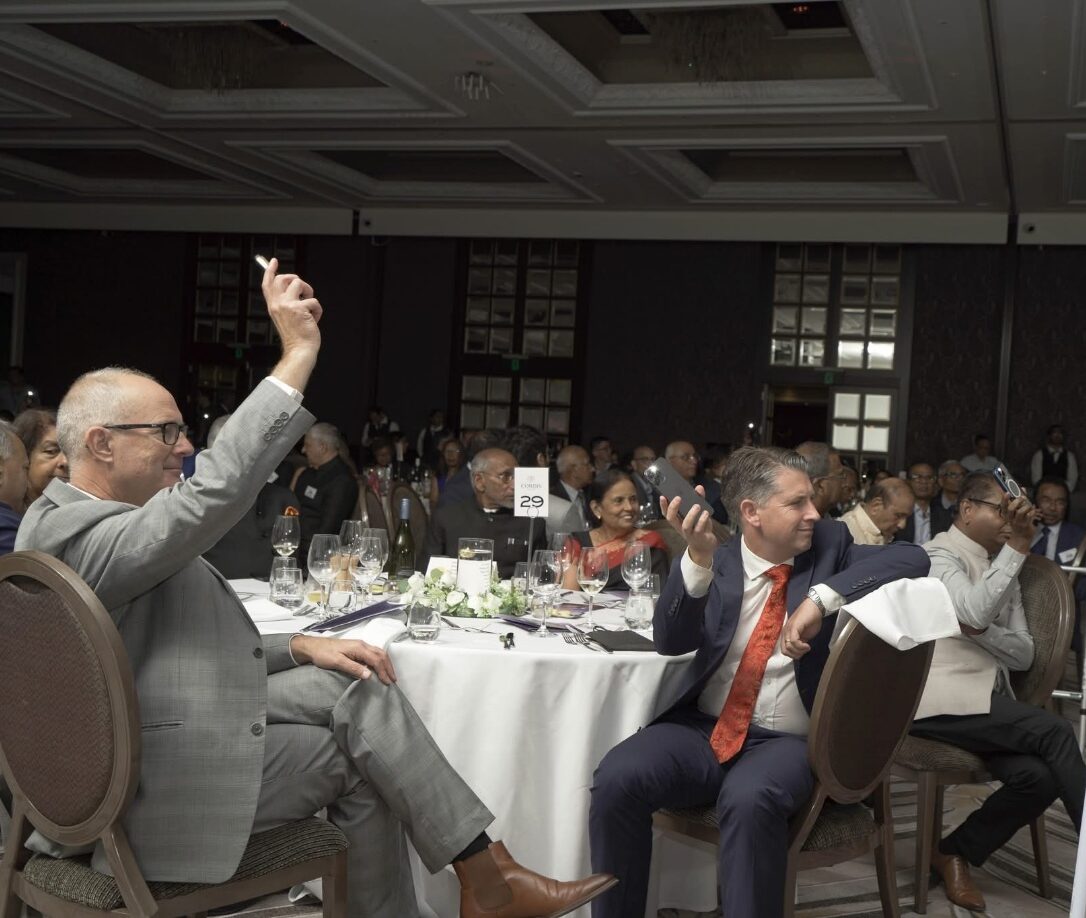
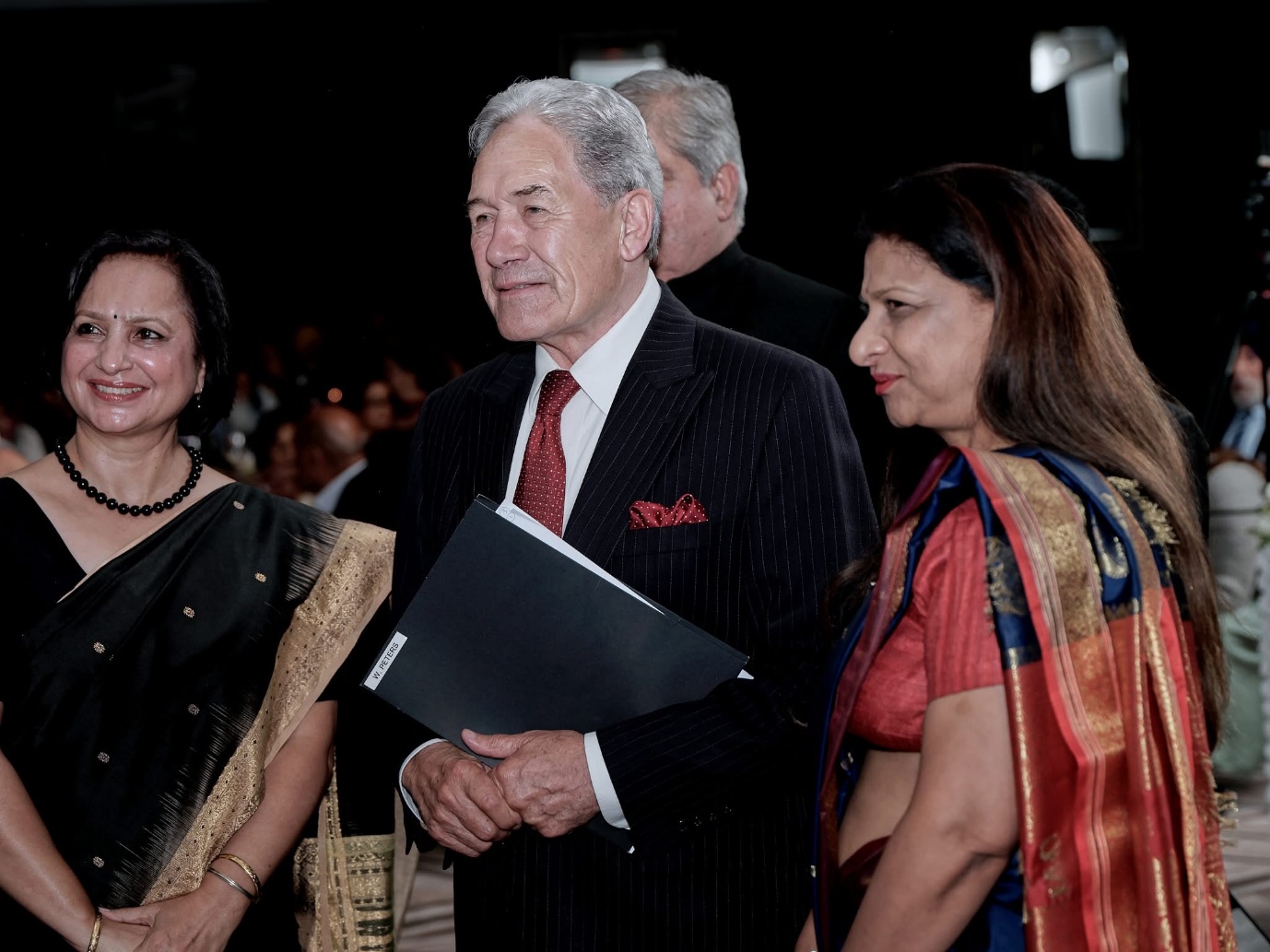
The audience’s response also reinforced my belief that contemporary wearable sculpture possesses a unique capacity to bring people together. Because the work exists between sculpture, textile practice, and the human body, it invites viewers to engage with it from multiple perspectives simultaneously. Some were captivated by its craftsmanship, others by its cultural narrative, while others responded to its sculptural presence or emotional atmosphere. No two experiences were identical, and it was precisely this diversity of interpretation that enriched the presentation.
As conversations continued throughout the evening, REINGA gradually transformed from an individual artwork into a shared cultural experience. The sculpture became a meeting place where ideas, memories, questions, and personal reflections could intersect. Every discussion, photograph, observation, and emotional response contributed another layer of meaning, extending the work beyond its physical form and into the collective experience of those who encountered it.
Looking back, I believe these moments are just as significant as the artwork itself. While the sculpture represents thousands of hours of research, making, and dedication, the audience’s engagement marks the beginning of its public life. Each exhibition, conversation, and new viewer brings a different perspective, allowing the work to evolve beyond the intentions of its maker.
As REINGA continues to be encountered in different places and contexts, each interaction adds meaning to its story. The questions audiences ask, interpretations they share, and emotions the work evokes become part of its continuing cultural journey.
In this way, the audience does not simply witness the archive, they become part of it. Every encounter contributes another chapter to REINGA’s journey, ensuring that the work continues to grow through the people, places, perspectives, and conversations it inspires. Its life extends beyond the physical sculpture, becoming a living record of artistic research, cultural exchange, and shared human experience.
Reflection
The public unveiling of REINGA represented far more than the completion of an artwork. For me, it marked the moment when years of research, experimentation, and meticulous hand craftsmanship were entrusted to a wider community. What had existed within the privacy of the studio through countless hours of drawing, making, questioning, refining, and reflecting entered public conversation for the first time. It was the point at which a personal creative journey became a shared cultural experience.
Every artwork begins with an idea, but not every artwork becomes part of a larger dialogue. Throughout the development of REINGA, I was reminded that this project carried a responsibility extending beyond aesthetics or technical achievement. Inspired by Te Rerenga Wairua, one of Aotearoa New Zealand’s most sacred places, the work demanded patience, humility, and an ongoing commitment to understanding the cultural landscape that inspired its creation. The process required years of researching history, geography, cultural narratives, and relationships between people and place before a creative decision could be fully realised.
The unveiling became the moment when those years of unseen work were transformed into a public encounter. Watching visitors spend time with the sculpture, observe its form, discover its details, ask questions, and share conversations confirmed something I have increasingly come to believe: meaningful artworks are not completed when they leave the studio. They continue to evolve through every person who experiences them.
One of the most rewarding aspects of the evening was witnessing how REINGA encouraged audiences to slow down and engage deeply with its intricate craftsmanship and details. The conversations around the sculpture were equally meaningful, with people responding to its themes of ancestry, belonging, and memory from diverse perspectives.
The opening karakia reinforced the importance of cultural responsibility, demonstrating how contemporary art and cultural respect can come together through listening, learning, and meaningful exchange.
The unveiling marked the beginning of REINGA’s public life. Future exhibitions and conversations will continue to shape its evolving story, with each audience bringing new perspectives.
The experience strengthened my belief that wearable sculpture can preserve cultural narratives and contribute to cultural diplomacy through craftsmanship, storytelling, and understanding. These values now inform THE ARTIST HOUSE, where research, archive, and exhibition come together to preserve and share cultural stories through art.
Next Event
Stay connected for upcoming cultural showcases that continue to celebrate craftsmanship, identity, and community storytelling.
