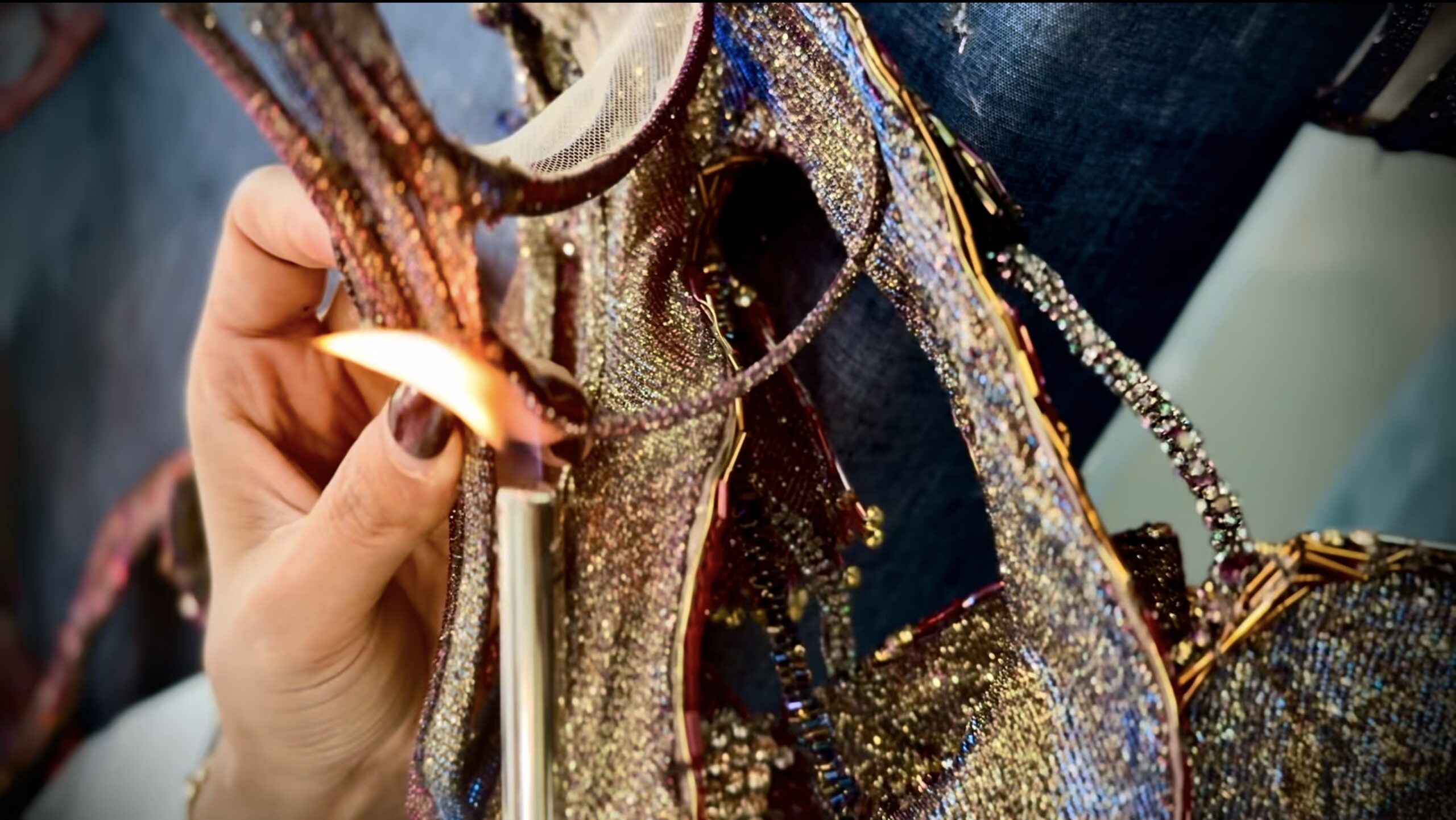
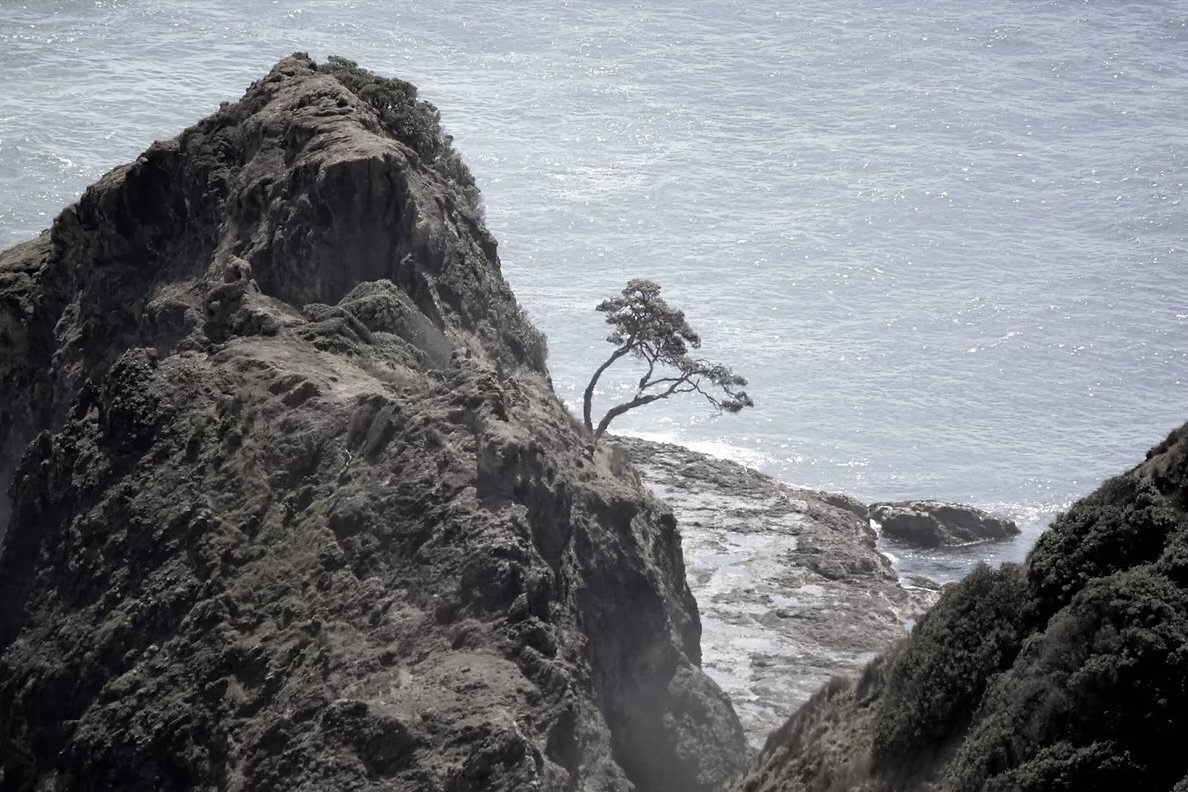
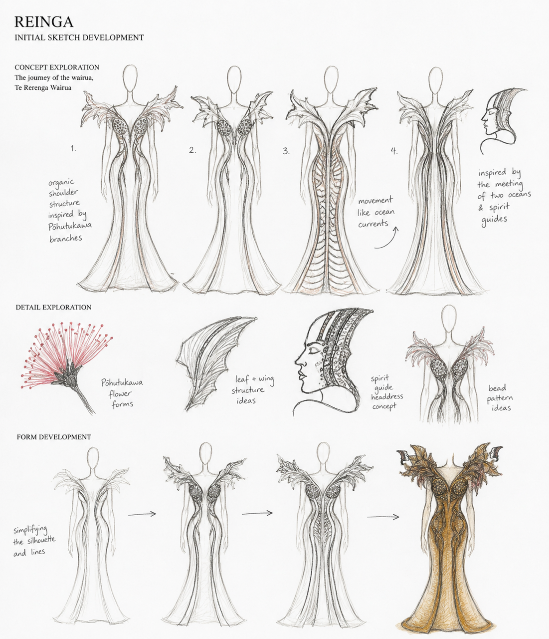
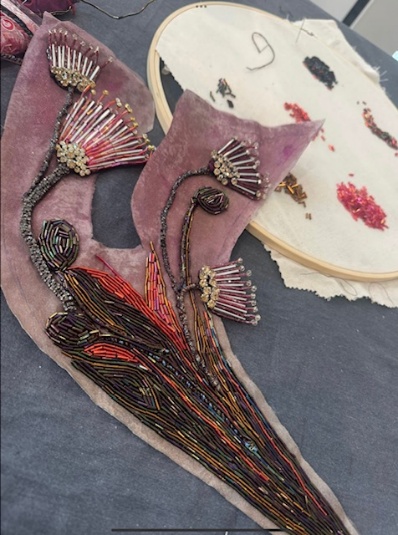
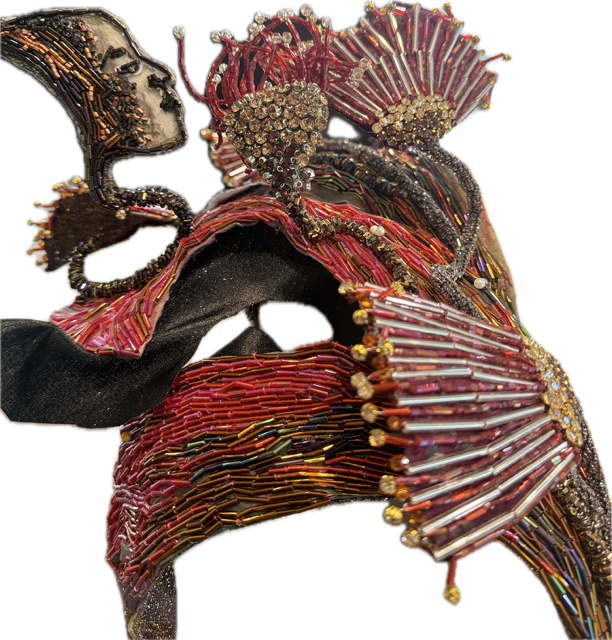
Unveiling Reinga: an artifact born from one of the most profound and sacred Iwi Māori beliefs — the final journey of the wairua, the spirit, beneath the ancient Pōhutukawa tree at Cape Reinga.
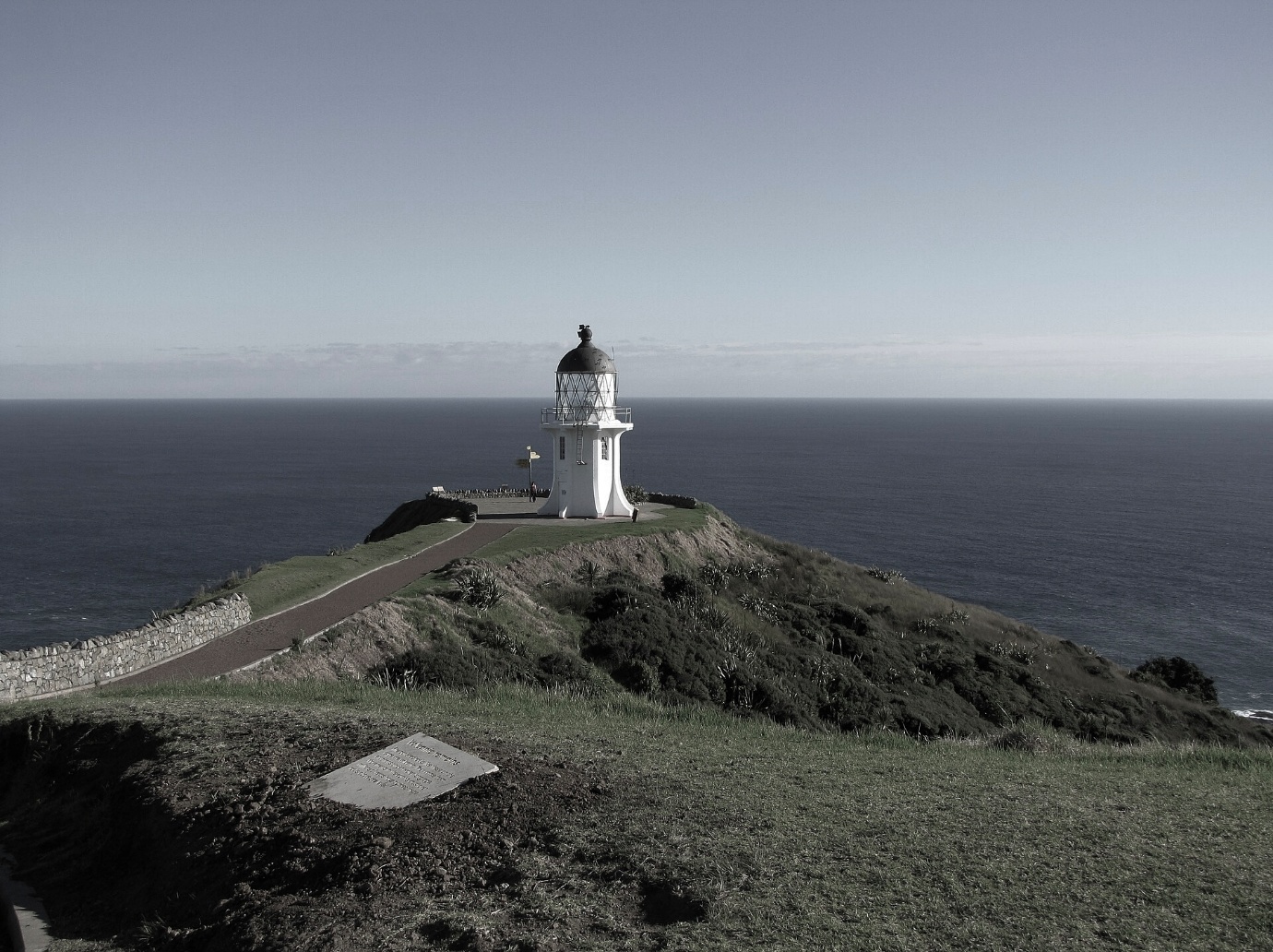
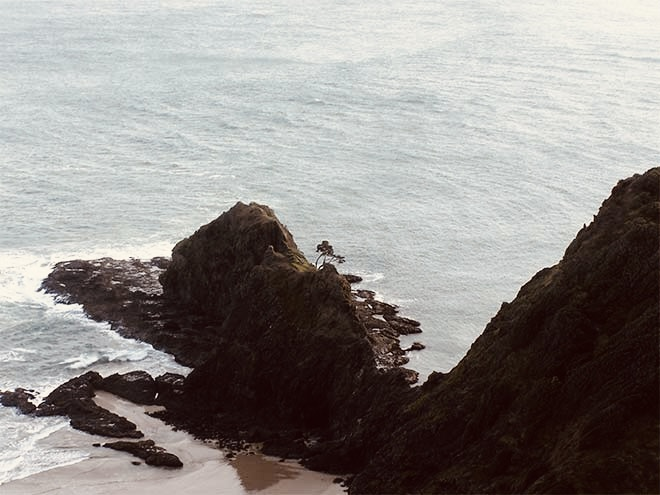
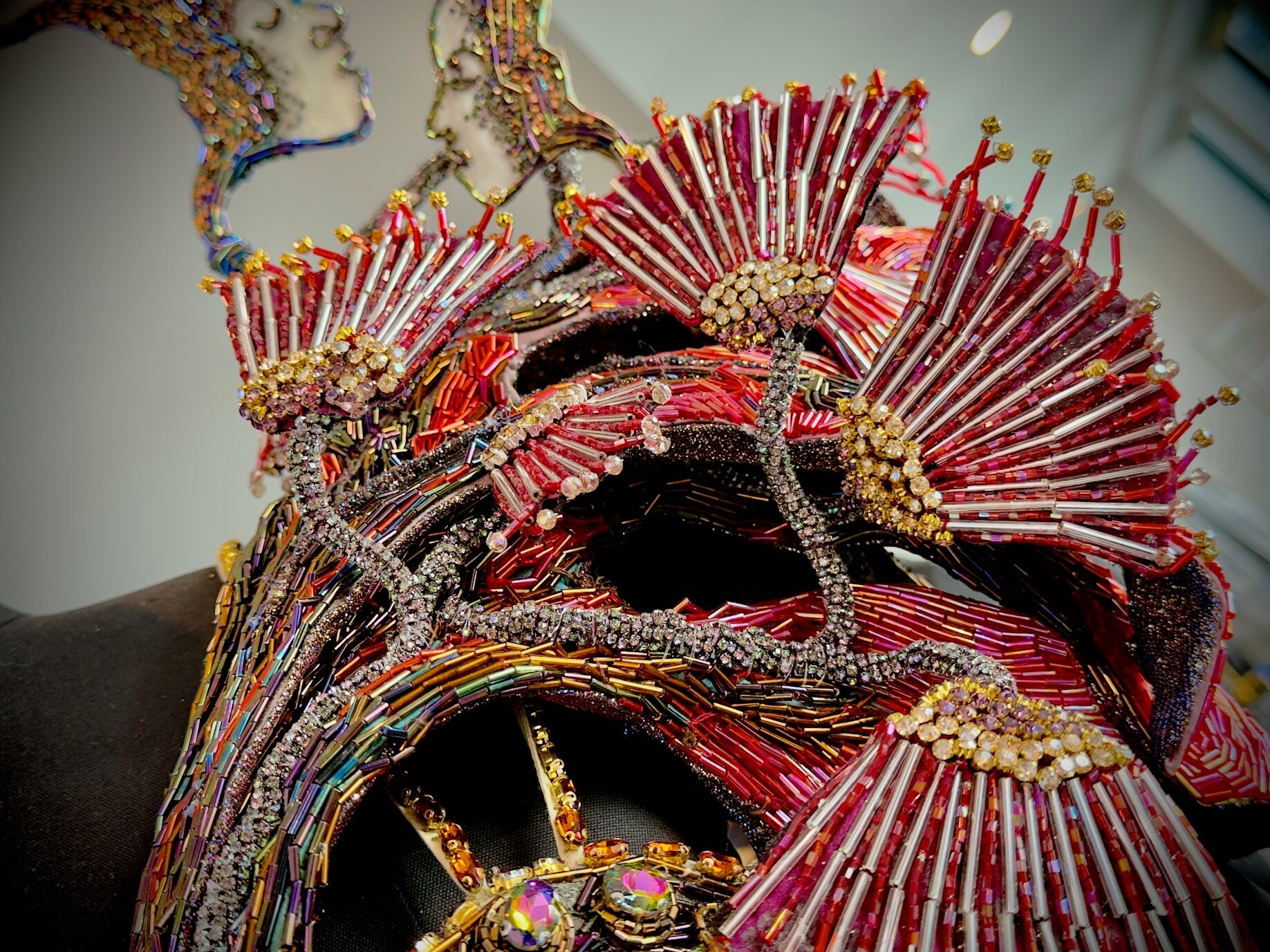
For over eight centuries, its twisted roots have clung to the cliffs of Cape Reinga — Te Rerenga Wairua — the sacred gateway where Māori believe every spirit begins its final journey home.
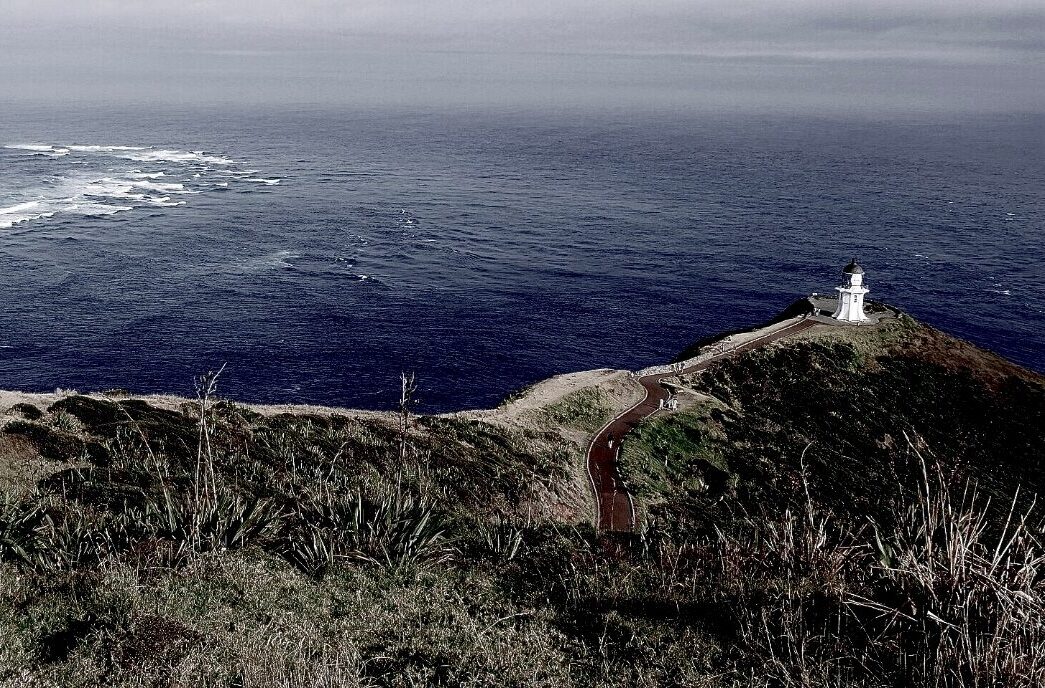
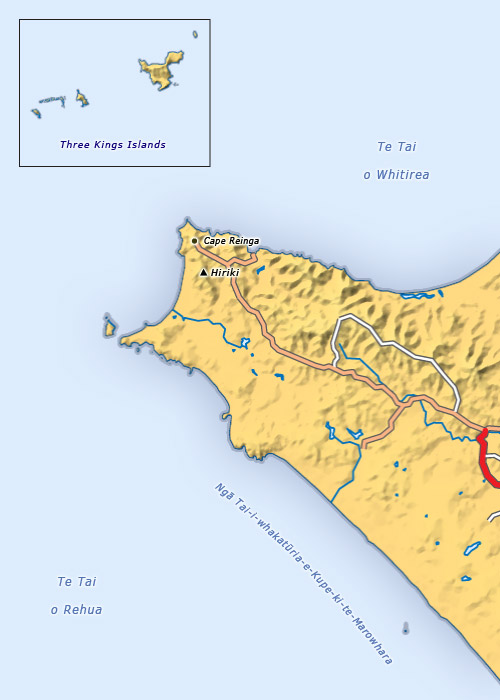
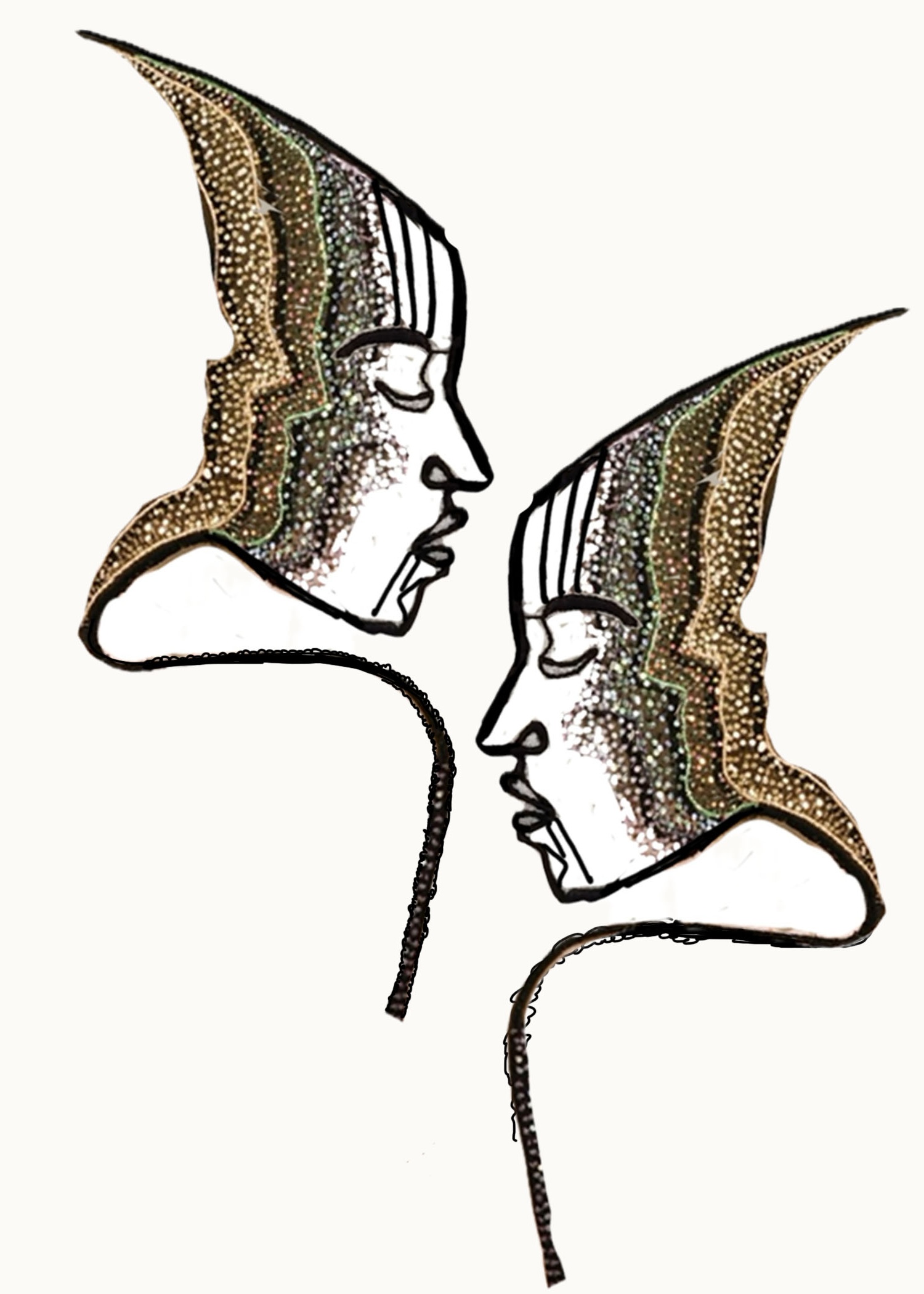
At the northernmost edge of Aotearoa, where the Tasman Sea meets the Pacific Ocean in a collision of silver and deep blue, Cape Reinga stands as a spiritual threshold. According to Māori tradition, this is the place where every soul pauses, gathers its final breath of this world, and descends through the roots of the Pōhutukawa to begin its passage toward Hawaiki, the ancestral homeland.
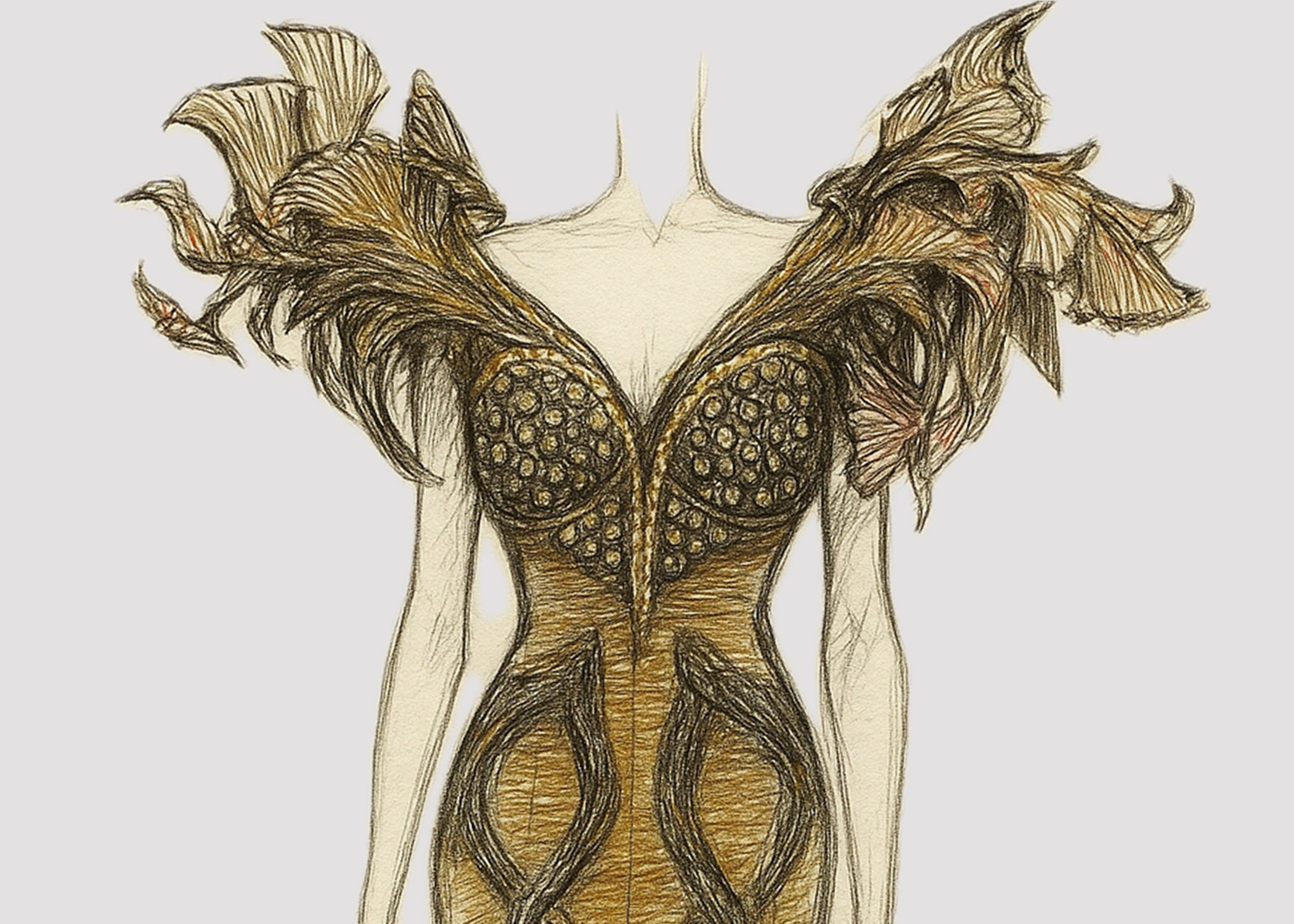
Reinga captures this powerful moment — the meeting of worlds, the stillness before departure, and the luminous pull of home. Its sculptural form pays homage to the ancient tree that has stood for centuries, witnessing the return of countless generations.
Every curve, every texture, every glimmer is designed to evoke the sacred landscape — the cliffs, the wind, the restless ocean, and the spiritual pathway that binds life to eternity.
Reinga is not merely a national artifact. It is a ceremonial creation, a cultural homage, and a storytelling masterpiece. A gown that honours memory, lineage, and the invisible threads that connect us to those who came before.
This belief is not a myth; it is a map of love, loss, and eternal return, translated into a wearable sculpture.