
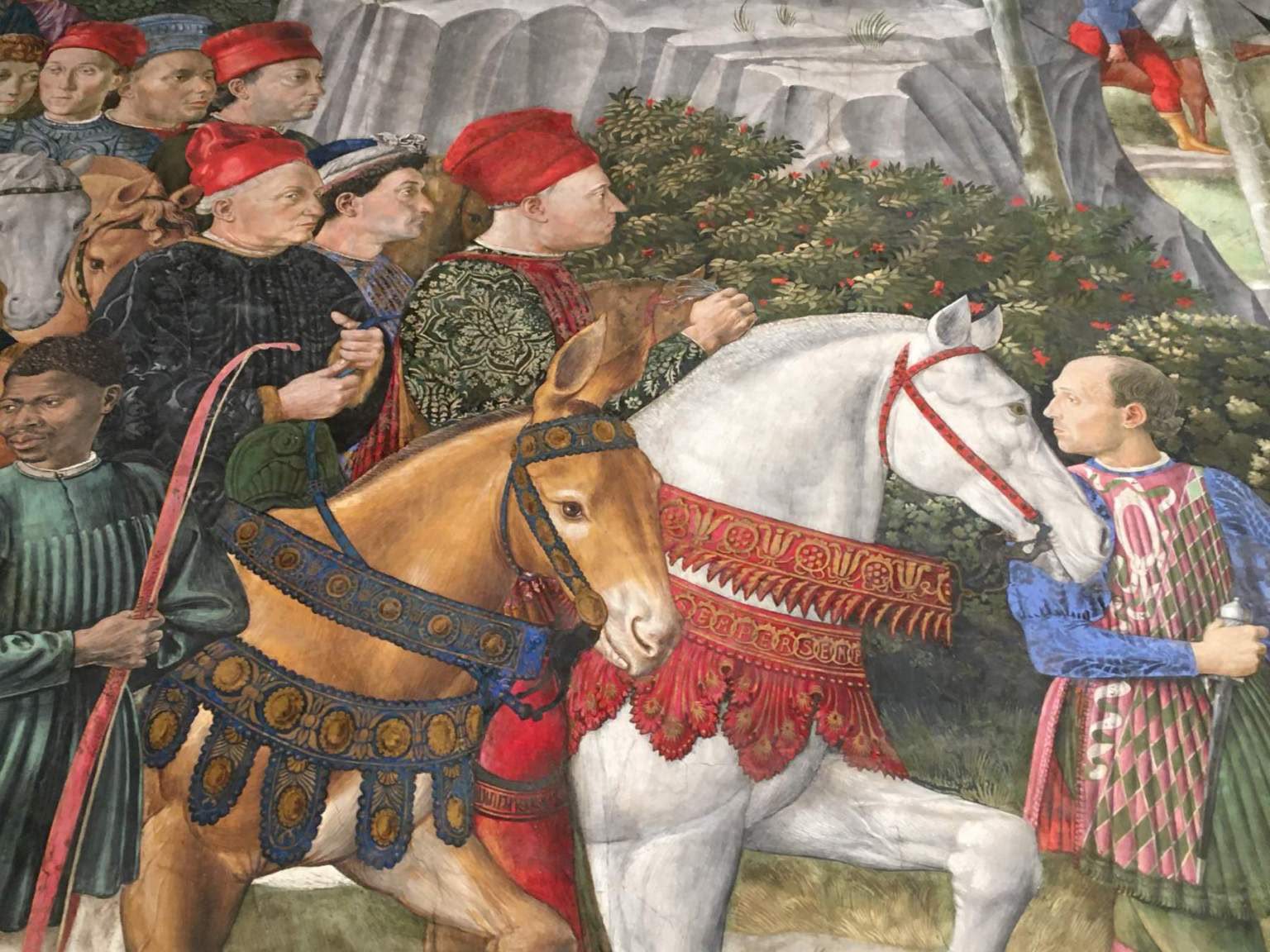
Florence revealed to me that great cultural movements are rarely created by artists alone. They are made possible through vision, patronage, and a collective belief that art has value beyond commerce.
Walking through Florence, I became increasingly aware of the influence of the Medici family. Their support of artists, architects, scientists and thinkers helped shape not only a city, but an entire period of cultural history. The Renaissance was not simply an artistic movement—it was an investment in knowledge, beauty and human potential.
As an artist working with long-form cultural projects, this observation became particularly meaningful. It challenged me to think beyond the creation of individual works and instead consider how bodies of work, archives and cultural legacies are built over time.
My ongoing Medici Project emerged directly from this experience. Rather than recreating history, the project explores themes of lineage, patronage, architecture, cartography and cultural memory through a contemporary wearable art practice.
Florence reminded me that art can become a form of cultural infrastructure—preserving stories, ideas and identities long after their creators are gone.
